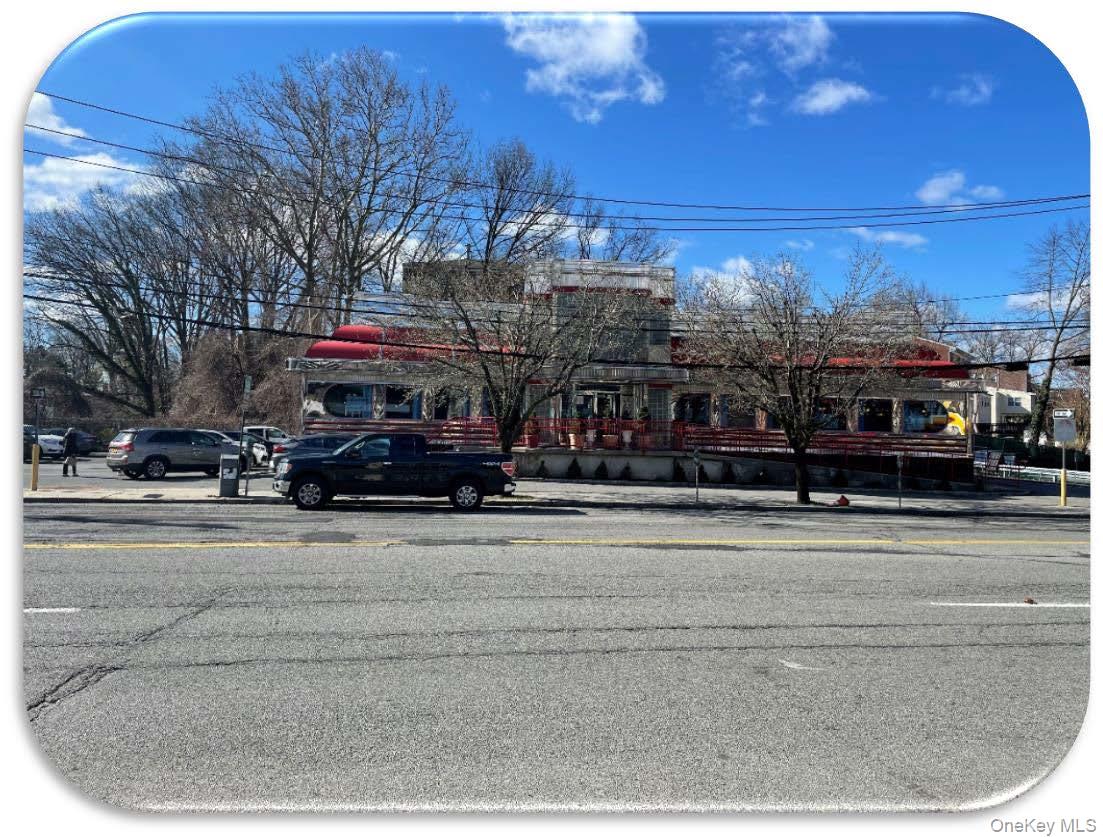
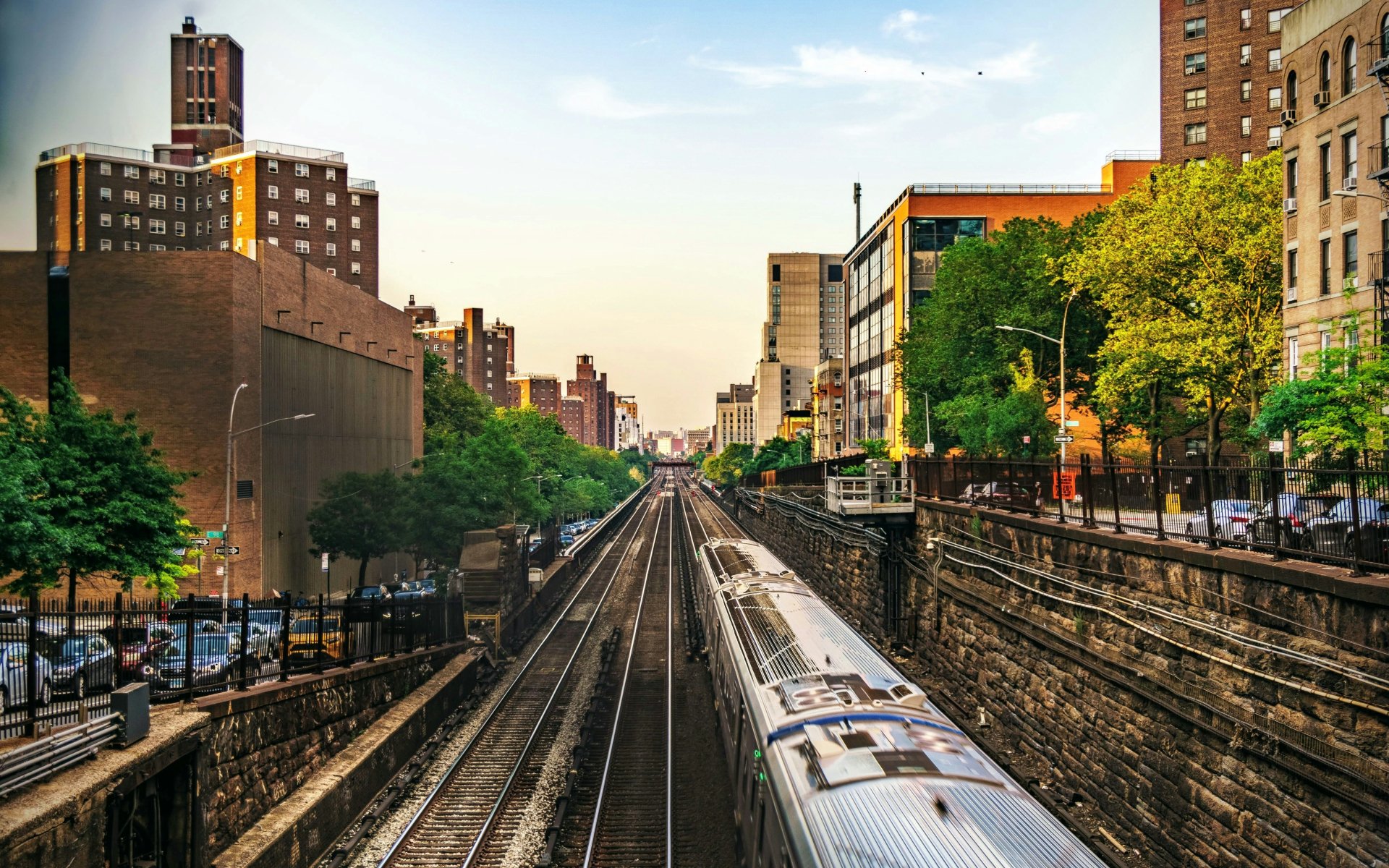
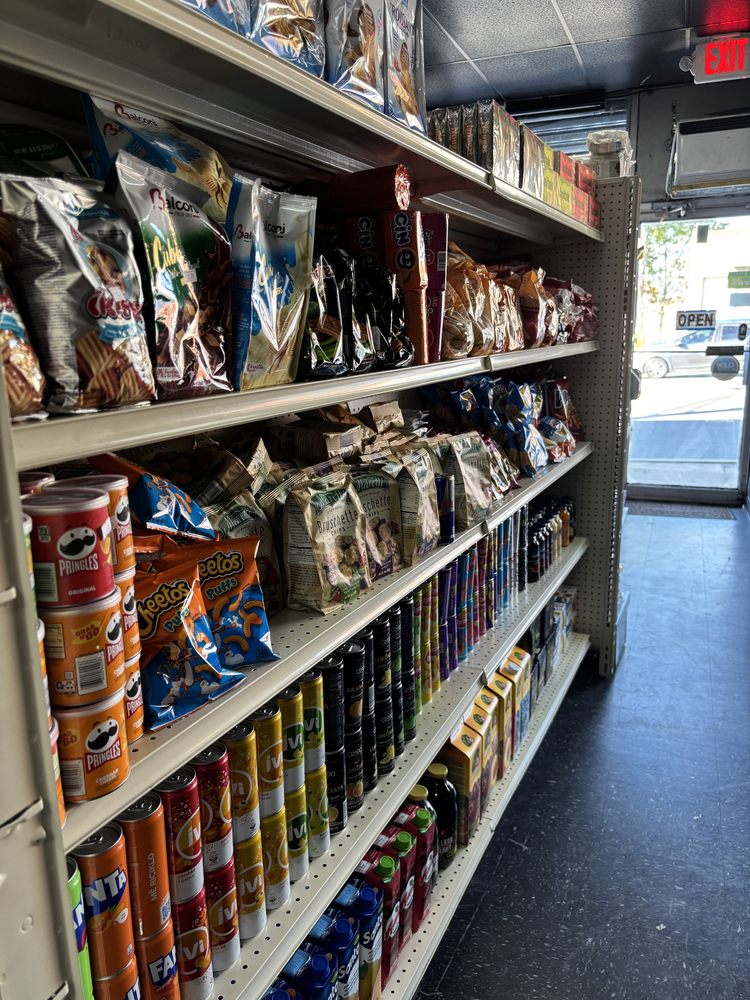
Westchester's Largest City with Hudson Waterfront and Growing Development
The City of Yonkers is Westchester County’s largest city and one of the most important residential markets just north of New York City. Set along the Hudson River and directly above the Bronx, Yonkers offers a rare mix of urban convenience, waterfront redevelopment, historic neighborhoods, commuter rail access, hillside homes, co-op buildings, multifamily properties, and established residential pockets.
Yonkers has a different feel from many Westchester towns because it combines city scale with suburban edges. Downtown Yonkers and Getty Square bring transit, restaurants, civic buildings, riverfront apartments, and cultural destinations, while neighborhoods like Park Hill, Crestwood, Colonial Heights, Lincoln Park, Bryn Mawr, and Ludlow offer quieter residential blocks with very different housing styles.
This guide covers the history, lifestyle, real estate market, schools, amenities, residential settings, and investment picture for the City of Yonkers, New York.
Key Facts: City of Yonkers, NY | |
|---|---|
County | Westchester County |
Community Type | Large urban-suburban city with waterfront districts, historic neighborhoods, apartment corridors, co-op communities, single-family areas, and multifamily housing |
Location | Southwestern Westchester County, directly north of the Bronx and along the eastern bank of the Hudson River |
Population | 211,569 residents recorded in the 2020 Census |
Land Area | Approximately 18.01 square miles |
City Incorporation | Incorporated as a city in 1872 |
Downtown Core | Getty Square and the Yonkers waterfront |
Primary Rail Access | Metro-North Hudson Line service at Yonkers, Ludlow, Glenwood, and Greystone stations, with Amtrak service at Yonkers station |
Major Roadways | I-87, Saw Mill River Parkway, Bronx River Parkway, Cross County Parkway, Sprain Brook Parkway, Yonkers Avenue, Central Park Avenue, Riverdale Avenue, and Broadway |
Outdoor Access | Hudson River waterfront, Untermyer Park and Gardens, Tibbetts Brook Park, Lenoir Preserve, Van der Donck Park, local parks, trails, and neighborhood recreation areas |
School Profile | Yonkers City School District, private schools, parochial schools, early childhood programs, and nearby higher education options |
Market Profile | Diverse Westchester market with co-ops, condos, multifamily homes, single-family houses, waterfront apartments, luxury pockets, and strong commuter appeal |
Yonkers Lifestyle Snapshot
An editorial snapshot of the city’s strongest lifestyle attributes, not a statistical ranking.
Yonkers is often the first Westchester city buyers consider when they want more space than New York City but still need a practical commute. Its southern border touches the Bronx, while its western edge follows the Hudson River, giving the city both commuter convenience and scenic waterfront appeal.
The city is highly varied. Downtown Yonkers offers apartments, restaurants, offices, cultural attractions, and train access. Northwest Yonkers includes Hudson River views, parkland, and established residential buildings. East Yonkers has more suburban-feeling streets, shopping corridors, single-family homes, and easy access to Central Park Avenue. South Yonkers connects closely with the Bronx, while neighborhoods near Bronxville and Tuckahoe feel more closely tied to central Westchester.
Yonkers is best for buyers who want Westchester access, New York City proximity, a wide range of housing options, Hudson River scenery, and more urban convenience than many traditional suburban towns.
Yonkers has a deep history tied to the Hudson River, the Saw Mill River, early Dutch settlement, industrial growth, and transportation. The city’s name traces back to Adriaen van der Donck, whose Dutch honorific “jonkheer” evolved over time into Yonkers. The area grew around farms, mills, river access, and the early settlement near the confluence of the Hudson and Nepperhan Rivers.
Philipse Manor Hall, built in the late 17th century, remains one of the city’s most important historic landmarks. Yonkers later developed into a major industrial center, with the Otis Elevator Company playing a central role in the city’s manufacturing identity. The city was also connected to notable innovators, artists, athletes, and cultural figures, giving it a broader legacy than many buyers first expect.
In recent decades, Yonkers has continued to evolve. Former industrial areas along the waterfront have seen residential redevelopment, public open-space improvements, and new investment. Downtown’s Saw Mill River daylighting project brought the buried river back into view, creating Van der Donck Park and giving the civic core a more distinctive public-space identity.
Today, Yonkers feels both historic and transitional. Its older homes, apartment buildings, civic landmarks, riverfront redevelopment, shopping corridors, and commuter infrastructure make it one of the most layered markets in lower Westchester.
Yonkers’ heritage is one of its strongest differentiators. Buyers can find riverfront redevelopment, prewar buildings, hillside homes, historic landmarks, and long-standing neighborhood blocks within the same city.
Yonkers has one of the strongest transportation profiles in Westchester because of its location directly north of New York City. Residents can use Metro-North, Amtrak, Bee-Line buses, express roads, and local routes to reach Manhattan, the Bronx, White Plains, Westchester towns, and Hudson Valley destinations.
Destination | Approximate Distance / Time | Route |
|---|---|---|
Grand Central Terminal | Approx. 25–35 min by Metro-North from Yonkers station, depending on service | Metro-North Hudson Line from Yonkers, Ludlow, Glenwood, or Greystone stations |
Manhattan by Car | Approx. 30–60+ min, depending on traffic and destination | I-87, Henry Hudson Parkway, Major Deegan Expressway, Broadway, or Riverdale-area routes |
The Bronx | Directly south of Yonkers | Broadway, Riverdale Avenue, Central Park Avenue, Bronx River Road, I-87, and local streets |
White Plains | Approx. 20–35 min by car, depending on route and traffic | Sprain Brook Parkway, Bronx River Parkway, Central Park Avenue, or local roads |
Westchester Rivertowns | Approx. 10–25 min by car or rail, depending on destination | Metro-North Hudson Line, Route 9 / Broadway, Saw Mill River Parkway, and local river roads |
Cross County Shopping Area | Local Yonkers destination | Cross County Parkway, Central Park Avenue, Bronx River Parkway, and local bus connections |
Ridge Hill | Local retail, dining, office, and residential destination | Sprain Brook Parkway, Tuckahoe Road, Ridge Hill Boulevard, and local connections |
Westchester County Airport | Approx. 25–45+ min by car, depending on traffic | Sprain Brook Parkway, I-287, Hutchinson River Parkway, and I-684 connections |
The Yonkers Metro-North station is especially important because it provides Hudson Line service and regional Amtrak access. Other Hudson Line stations within the city, including Ludlow, Glenwood, and Greystone, support commuters in different waterfront and northwest Yonkers neighborhoods. East Yonkers residents may rely more on driving, Bee-Line buses, or nearby stations in Bronxville, Tuckahoe, or Mount Vernon depending on location.
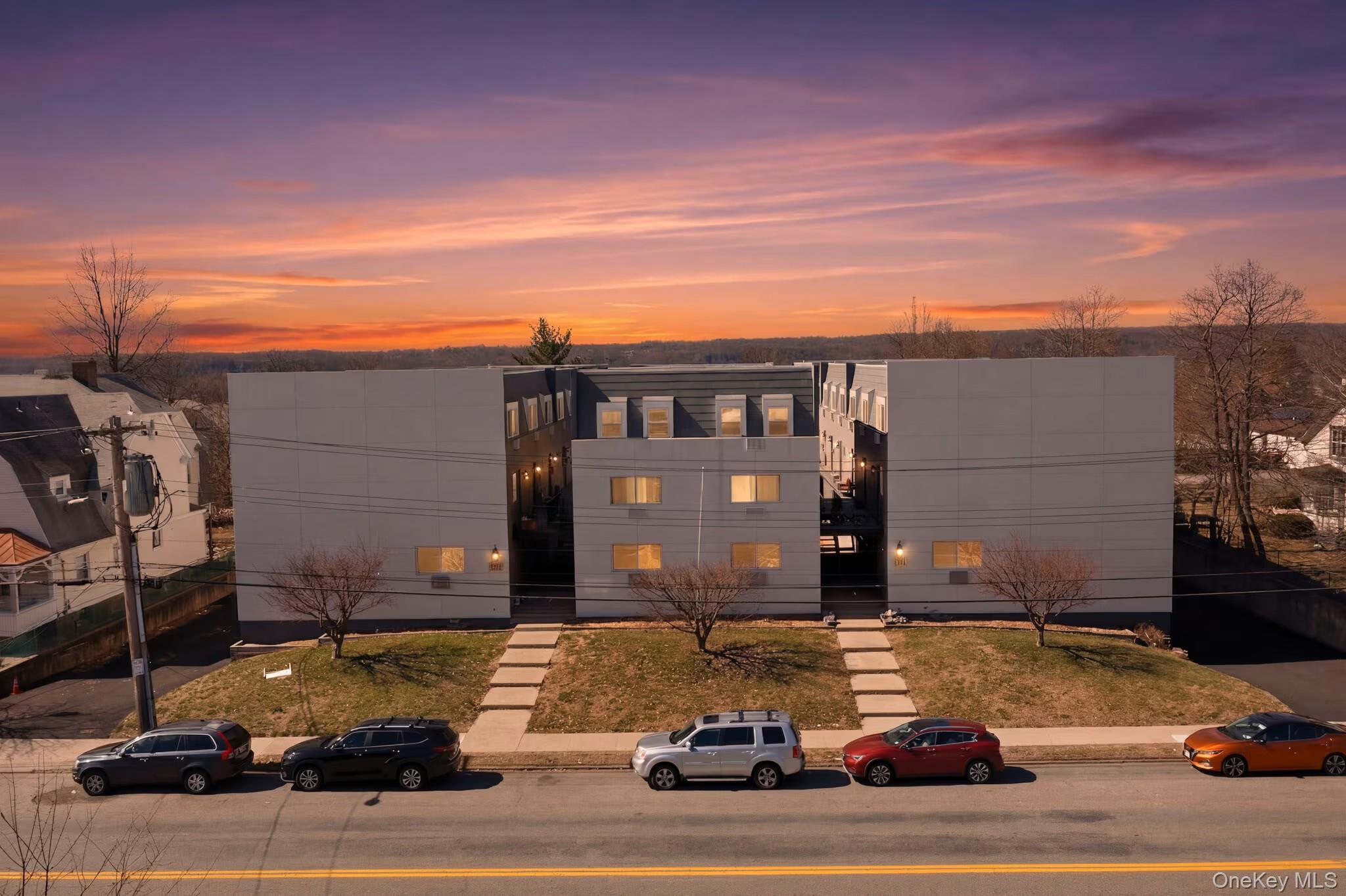
Yonkers is one of Westchester’s most varied housing markets. Buyers can compare co-ops near the Hudson, condos downtown, rental and mixed-use buildings near Getty Square, single-family homes in Park Hill or Colonial Heights, multifamily properties in denser neighborhoods, and larger homes near Crestwood, Lincoln Park, and the Bronxville border.
Zillow’s May 2026 housing snapshot showed an average Yonkers home value of approximately $695,210, up 6.0% over the past year. The same snapshot showed 381 homes for sale, 122 new listings, a median sale price of approximately $481,667, a median list price of approximately $350,817, and a median of 34 days to pending. About 31.6% of April 2026 sales closed above list price, while 43.0% closed below list price, which shows how strongly condition, pricing, property type, and location shape outcomes.
Property Segment | Market Character | Buyer Consideration |
|---|---|---|
Co-ops | Common near the Hudson River, Bronxville border, Central Park Avenue corridor, and established apartment districts | Review board requirements, maintenance fees, reserves, parking, sublet rules, flip taxes, and financing limits |
Condos | Found in downtown buildings, waterfront developments, converted properties, and select newer communities | Compare common charges, taxes, amenities, building reserves, parking, pet rules, and rental flexibility |
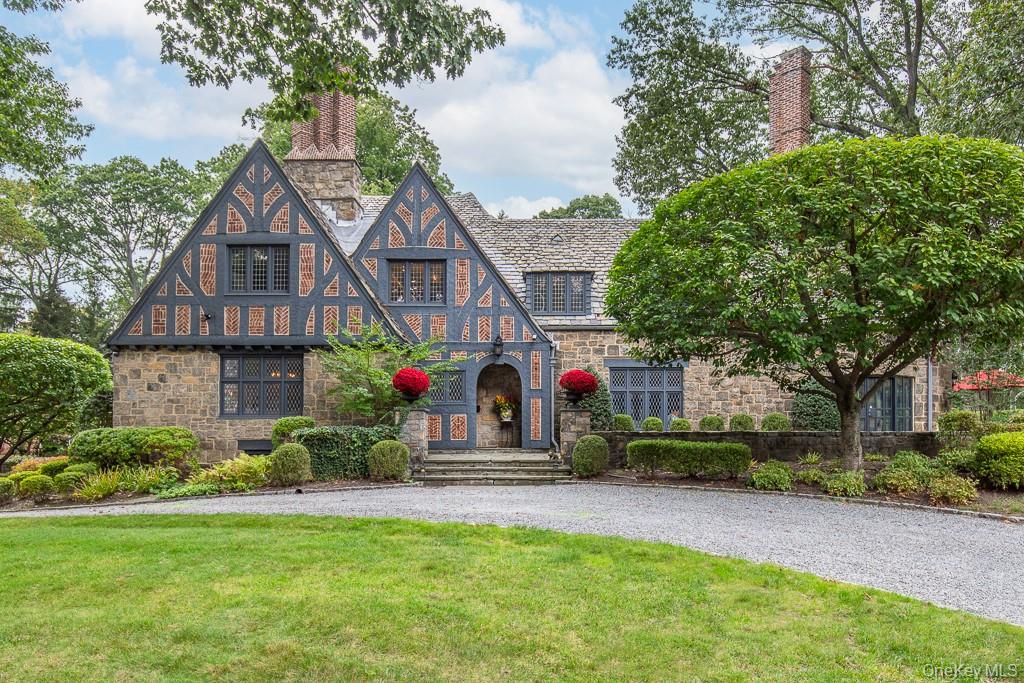
Single-family homes | Available in Park Hill, Lincoln Park, Colonial Heights, Crestwood, Dunwoodie, Bryn Mawr, Homefield, and other residential areas | Evaluate taxes, condition, parking, lot size, school logistics, commute route, and neighborhood setting |
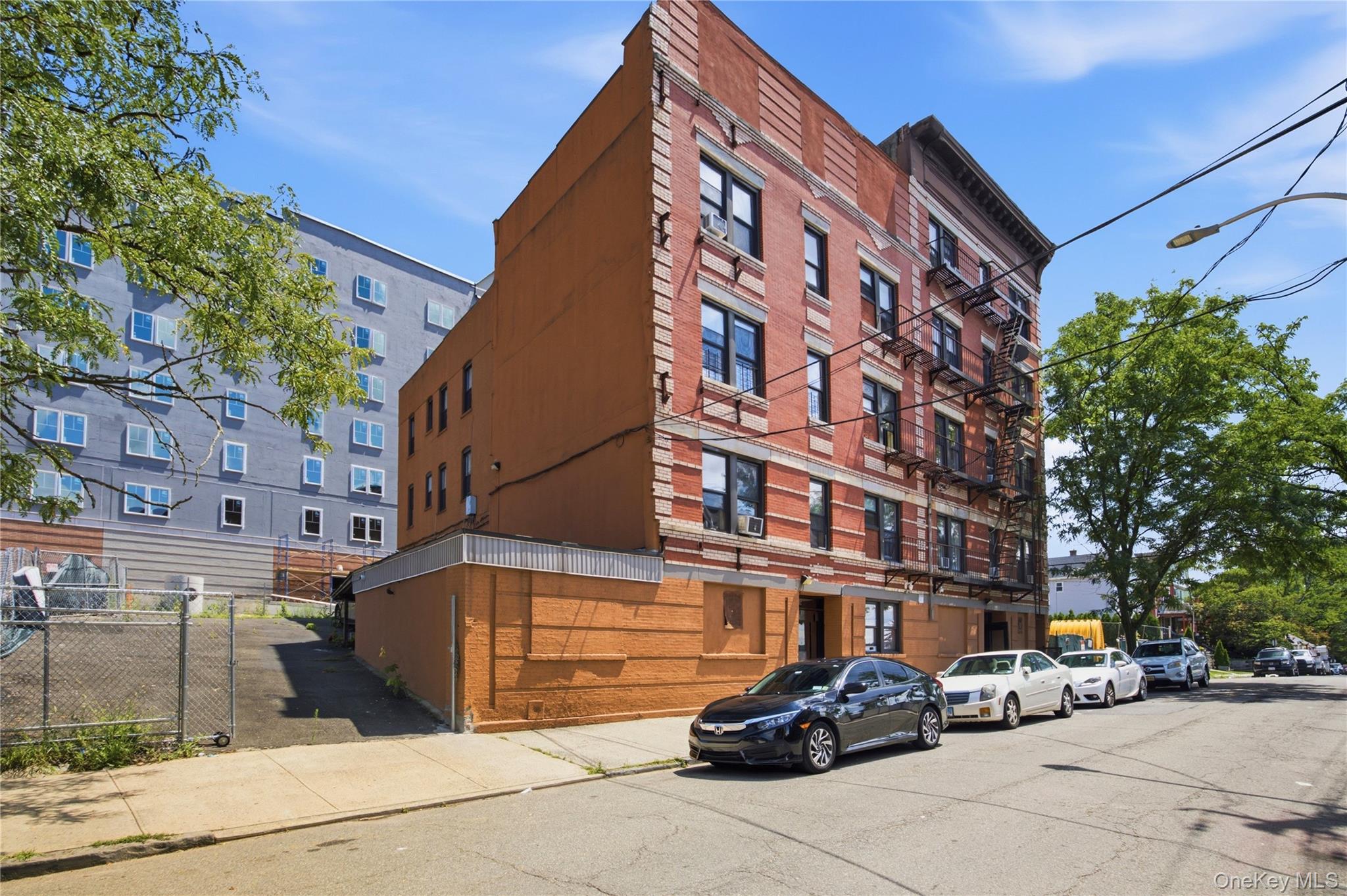
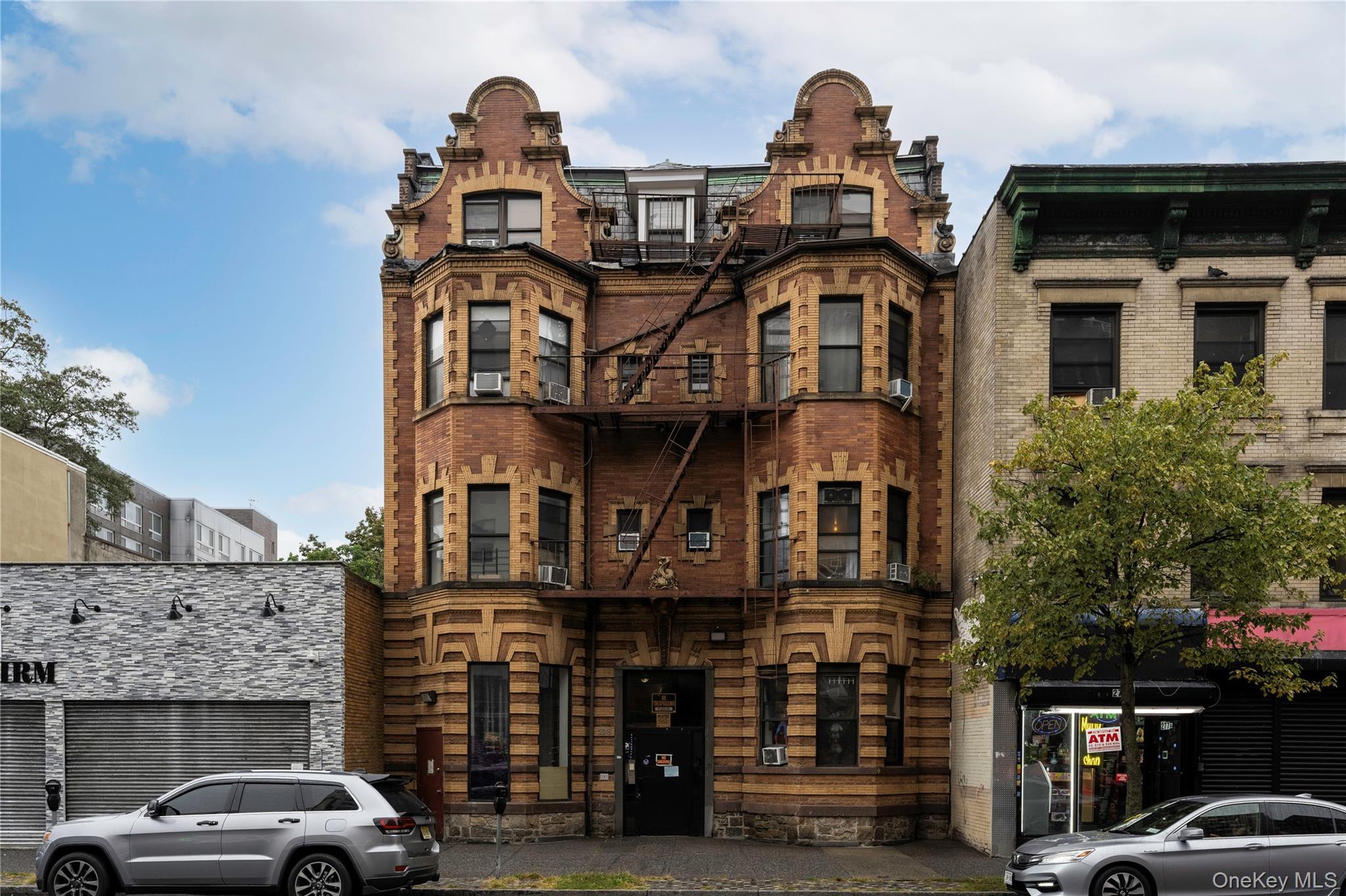
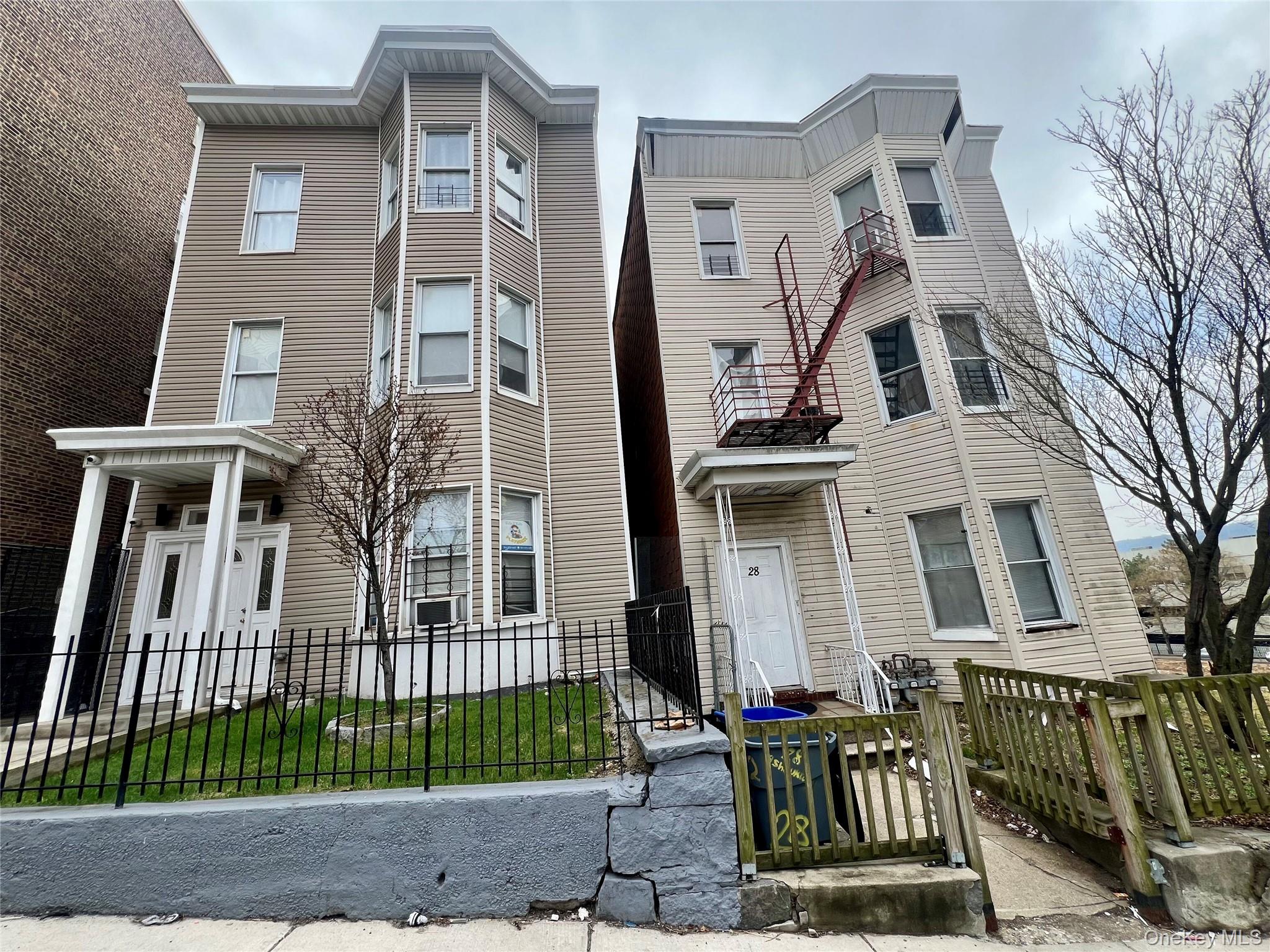
Multifamily homes | Important segment for owner-occupants and investors in denser parts of the city | Review rent regulation, tenant status, certificates of occupancy, legal use, mechanical systems, and operating expenses |
Waterfront and luxury apartments | Visible near Downtown Yonkers, the Hudson River waterfront, and newer redevelopment corridors | Consider river views, parking, amenities, train proximity, monthly costs, flood considerations, and long-term building quality |
The strongest Yonkers listings usually have a clear practical advantage. That may be Metro-North access, Hudson River views, private parking, updated interiors, legal multifamily income, lower-maintenance ownership, or a position near desirable neighborhood edges such as Bronxville, Hastings-on-Hudson, or the northern Rivertowns.
Yonkers pricing is highly local. A downtown condo, a Park Hill house, a Ludlow multifamily, and a Greystone co-op should each be compared against different buyer expectations and property fundamentals.
Yonkers lifestyle is practical, diverse, and highly connected. Residents can commute to Manhattan, walk along the Hudson River, visit cultural institutions, shop along Central Park Avenue, enjoy historic parks and gardens, dine downtown, or live on quieter residential streets that feel more suburban than urban.
Yonkers’ waterfront has become one of the city’s strongest lifestyle anchors, with river views, apartments, restaurants, walking areas, and rail access near Downtown Yonkers.
Getty Square is the city’s downtown and civic core, offering transit access, government buildings, restaurants, shopping, and a historic urban center near the river.
Untermyer Park and Gardens is one of Yonkers’ most beautiful public spaces, known for formal gardens, Hudson River views, walking paths, and historic estate character.
The Hudson River Museum adds cultural depth to northwest Yonkers with art, history, science programming, Glenview Mansion, and a setting close to the river.
Ridge Hill, Cross County Center, Central Park Avenue, Getty Square, and neighborhood commercial corridors give residents strong everyday access to dining and retail.
Yonkers offers apartments, co-ops, condos, multifamily homes, historic houses, hillside properties, and suburban-feeling streets within one city.
Yonkers has a strong amenity base because it functions as both a major Westchester city and a gateway to New York City. Residents have access to shopping centers, parks, medical services, public transportation, restaurants, waterfront recreation, neighborhood libraries, schools, and nearby suburban village centers.
Category | What’s Available |
|---|---|
Grocery & Everyday | Supermarkets, specialty markets, pharmacies, local shops, big-box stores, neighborhood services, and retail corridors along Central Park Avenue, South Broadway, and Tuckahoe Road |
Dining | Waterfront restaurants, downtown dining, neighborhood cafés, Italian, Latin American, Caribbean, Irish, casual, and family restaurants throughout the city |
Healthcare | St. John’s Riverside Hospital, nearby medical offices, urgent care centers, dental practices, specialists, and additional healthcare access in Bronxville, White Plains, and the Bronx |
Transit | Metro-North Hudson Line stations, Amtrak at Yonkers station, Bee-Line buses, parkways, I-87, and local road connections to the Bronx and Westchester |
Outdoor Recreation | Untermyer Park and Gardens, Tibbetts Brook Park, Lenoir Preserve, Van der Donck Park, Hudson River waterfront areas, neighborhood parks, ballfields, and playgrounds |
Shopping | Ridge Hill, Cross County Center, Central Park Avenue retail, downtown storefronts, neighborhood shops, and nearby Bronxville or White Plains shopping options |
Arts & Culture | Hudson River Museum, Philipse Manor Hall, local performance venues, public art, historic sites, waterfront events, and cultural programming across the city |
Yonkers’ amenity profile is a major part of its value. Buyers can get Westchester convenience, city infrastructure, shopping, parks, transit, and Hudson River access without moving far from New York City.
Yonkers is best understood by neighborhood setting. Downtown and the waterfront offer transit-oriented living. Northwest Yonkers has river views, parks, and co-op buildings. East Yonkers feels more suburban and car-friendly. South Yonkers has strong Bronx connections and multifamily housing. Areas near Bronxville, Tuckahoe, and Hastings-on-Hudson can feel closely tied to neighboring Westchester villages.
Downtown Yonkers offers train access, waterfront apartments, civic buildings, restaurants, historic structures, and urban convenience close to the Hudson River.
The waterfront and Ludlow areas appeal to buyers seeking river access, apartments, multifamily properties, train convenience, and redevelopment potential.
Park Hill is known for hillside streets, historic homes, architectural character, and a residential feel close to downtown and commuter routes.
Crestwood and Colonial Heights offer tree-lined streets, single-family homes, proximity to nearby villages, and a more suburban residential experience.
Lincoln Park and Dunwoodie attract buyers looking for single-family homes, local parks, schools, shopping, and convenient access to central Westchester roads.
Northwest Yonkers includes Greystone, Glenwood, and surrounding residential areas with river views, co-ops, parks, and Metro-North access.
Area | Character | Best For |
|---|---|---|
Downtown / Getty Square | Urban, transit-oriented, historic, and close to the waterfront | Commuters, renters, condo buyers, and buyers seeking walkable convenience |
Waterfront / Ludlow | River-oriented, redevelopment-focused, and close to rail access | Buyers interested in Hudson views, apartments, investment properties, and transit access |
Park Hill | Historic, elevated, residential, and architecturally distinctive | Buyers seeking character homes, hillside streets, and proximity to downtown |
East Yonkers | More suburban, shopping-focused, and car-friendly | Buyers wanting single-family homes, retail access, parking, and parkway connections |
Northwest Yonkers | Scenic, residential, and close to Hudson Line stations | Buyers seeking co-ops, river views, parks, and a quieter city-edge lifestyle |
Yonkers is served by Yonkers City School District, a large PK-12 public school district. Families should review school assignments, application programs, transportation, magnet options, private schools, parochial schools, and commute logistics before purchasing.
School / District | Type / Grades | Notes |
|---|---|---|
Yonkers City School District | Public PK-12 district | Serves the City of Yonkers and includes elementary, middle, and high school options across the city |
Yonkers Public Schools | Public district schools | NCES lists the district with 40 schools and a PK-12 grade span for the 2024-2025 school year |
Saunders Trades and Technical High School | Public high school | Known locally for career and technical education pathways; families should verify admissions and program availability |
Yonkers Montessori Academy | Public school option | Offers a Montessori-based public school pathway within the Yonkers district structure |
Private & Parochial Schools | Preschool through high school | Private, Catholic, early childhood, and specialty education options are available in Yonkers and nearby Bronxville, Riverdale, White Plains, and lower Westchester |
Nearby Colleges & Higher Education | College and university options | Nearby institutions include Sarah Lawrence College, Manhattanville University, SUNY Westchester Community College, Fordham University, Lehman College, and Iona University |
Because Yonkers has a large district and varied neighborhood geography, families should confirm school options by exact address. Transportation, program eligibility, application timelines, and private school commute routes can all affect the best residential fit.
Yonkers school research should be address-specific. Buyers should confirm district details, application-based programs, transportation, and nearby private or parochial options before choosing a home.
Yonkers’ investment case is built on New York City proximity, Hudson River redevelopment, Metro-North access, multifamily housing, relative Westchester value, and ongoing demand from renters and buyers who want more space near Manhattan. Its mix of co-ops, condos, single-family homes, multifamily buildings, and apartments creates several different investment paths.
Market Snapshot | |
|---|---|
Average home value | Approximately $695,210 according to Zillow’s May 2026 Yonkers snapshot |
One-year value change | +6.0% in Zillow’s May 2026 citywide data |
Inventory profile | 381 homes for sale in Zillow’s May 2026 snapshot, with supply varying by property type and neighborhood |
Median days to pending | 34 days in Zillow’s May 2026 snapshot |
Primary property types | Co-ops, condos, single-family homes, multifamily properties, waterfront apartments, and select luxury homes |
Investment Fundamentals | |
|---|---|
Primary value driver | NYC proximity, Metro-North access, Hudson River setting, and relative value compared with many lower Westchester and NYC markets |
Buyer profile | NYC commuters, first-time Westchester buyers, investors, renters, downsizers, multifamily owners, and buyers priced out of nearby villages |
Supply profile | Diverse, with meaningful inventory across co-ops, condos, single-family homes, and multifamily properties |
Rental potential | Strong in transit-served and downtown areas, but investors should review rent rules, tenant status, legal use, and building condition |
Long-term appeal | Hudson Line access, city infrastructure, waterfront improvements, shopping, parks, and direct proximity to New York City |
The best long-term Yonkers properties usually have a clear advantage. That may be a short walk to Metro-North, Hudson River views, legal multifamily income, private parking, renovated condition, building stability, or a location near desirable residential edges such as Bronxville, Hastings-on-Hudson, or Riverdale.
For investment-minded buyers, Yonkers can offer strong fundamentals, but due diligence matters. Co-op rules, rent regulation, building condition, taxes, legal occupancy, parking, and neighborhood-level demand should all be reviewed carefully.
Yonkers attracts buyers who want more space and value while staying close to New York City. It works for commuters, families, first-time buyers, investors, downsizers, and long-term homeowners who want Westchester access without losing urban convenience.
Metro-North Hudson Line service, Amtrak access at Yonkers station, Bee-Line buses, and direct road connections make Yonkers practical for Manhattan and regional commuting.
Residential neighborhoods, parks, schools, libraries, youth activities, shopping, and nearby village amenities give families several lifestyle options within one city.
Yonkers can offer more space or a lower entry point than many nearby lower Westchester villages, especially for co-ops, condos, and multifamily properties.
The Hudson River waterfront offers apartments, views, restaurants, open space, and commuter rail access, giving Yonkers a strong river-city lifestyle.
Multifamily properties, rental demand, downtown redevelopment, and transit access create opportunities for careful long-term investors.
Yonkers’ location, housing variety, transportation network, parks, shopping, and continued waterfront investment support long-term residential appeal.
Where is the City of Yonkers, NY located?
Yonkers is located in southwestern Westchester County, directly north of the Bronx and along the Hudson River. It is one of the closest Westchester cities to New York City.
Is Yonkers good for commuting to New York City?
Yes. Yonkers is a strong commuter location because of Metro-North Hudson Line service, Amtrak access at Yonkers station, Bee-Line buses, and direct road connections into the Bronx and Manhattan. Commute time varies by neighborhood, station, and traffic.
What is Yonkers known for?
Yonkers is known for its Hudson River waterfront, Getty Square, Untermyer Park and Gardens, Hudson River Museum, Philipse Manor Hall, shopping centers, historic neighborhoods, and close proximity to New York City.
What is the real estate market like in Yonkers?
Yonkers is a diverse market with co-ops, condos, single-family homes, multifamily properties, and waterfront apartments. Zillow’s May 2026 snapshot showed an average home value of about $695,210, up 6.0% year over year, with a median of 34 days to pending.
What are some popular neighborhoods in Yonkers?
Popular areas include Downtown Yonkers, Getty Square, Ludlow, Park Hill, Crestwood, Colonial Heights, Lincoln Park, Dunwoodie, Bryn Mawr, Greystone, Glenwood, and northwest Yonkers near the Hudson River.
Does Yonkers have waterfront homes?
Yes. Yonkers has Hudson River waterfront apartments, condos, co-ops, and nearby residential buildings with river views. Buyers should review building details, parking, flood considerations, monthly fees, and train access by property.
What schools serve Yonkers?
Yonkers is served by Yonkers City School District, a public PK-12 district. The city also has private, parochial, early childhood, and nearby higher education options. Buyers should confirm school details and program eligibility by address.
Who is Yonkers best suited for?
Yonkers is well suited for commuters, families, first-time Westchester buyers, investors, downsizers, and buyers who want more housing variety near New York City. It is especially appealing for those who value transit, waterfront access, shopping, and relative value compared with many nearby markets.
209,529 people live in City of Yonkers, where the median age is 39 and the average individual income is $42,770. Data provided by the U.S. Census Bureau.
Total Population
Median Age
Population Density Population Density This is the number of people per square mile in a neighborhood.
Average individual Income
There's plenty to do around City of Yonkers, including shopping, dining, nightlife, parks, and more. Data provided by Walk Score and Yelp.
Explore popular things to do in the area, including Luma Food, Albanian Convenience, and Cake Bar By Charlene.
| Name | Category | Distance | Reviews |
Ratings by
Yelp
|
|---|---|---|---|---|
| Dining | 0.5 miles | 0 reviews | 0/5 stars | |
| Dining | 0.65 miles | 0 reviews | 0/5 stars | |
| Dining | 0.69 miles | 0 reviews | 0/5 stars | |
| Dining | 0.82 miles | 2 reviews | 3/5 stars | |
| Dining | 0.89 miles | 0 reviews | 0/5 stars | |
| Dining | 0.92 miles | 0 reviews | 0/5 stars | |
| Dining | 1.06 miles | 3 reviews | 4/5 stars | |
| Dining | 1.27 miles | 0 reviews | 0/5 stars | |
| Dining · $$$ | 1.28 miles | 1 review | 4/5 stars | |
| Dining | 1.36 miles | 0 reviews | 0/5 stars | |
| Dining | 1.42 miles | 0 reviews | 0/5 stars | |
| Shopping | 1.46 miles | 3 reviews | 1.3/5 stars | |
| Active | 0.42 miles | 0 reviews | 0/5 stars | |
| Active | 1.13 miles | 0 reviews | 0/5 stars | |
| Active | 1.5 miles | 0 reviews | 0/5 stars | |
| Beauty | 0.69 miles | 0 reviews | 0/5 stars | |
| Beauty | 0.93 miles | 0 reviews | 0/5 stars | |
| Beauty | 0.96 miles | 2 reviews | 2/5 stars | |
| Beauty | 1.21 miles | 0 reviews | 0/5 stars | |
| Beauty | 1.25 miles | 5 reviews | 4.2/5 stars | |
| Beauty | 1.37 miles | 0 reviews | 0/5 stars | |
| Beauty | 1.37 miles | 0 reviews | 0/5 stars | |
| Beauty | 1.39 miles | 1 review | 5/5 stars | |
| Beauty | 1.39 miles | 0 reviews | 0/5 stars | |
|
|
||||
|
|
||||
|
|
||||
|
|
||||
|
|
||||
|
|
City of Yonkers has 80,550 households, with an average household size of 2.56. Data provided by the U.S. Census Bureau. Here’s what the people living in City of Yonkers do for work — and how long it takes them to get there. Data provided by the U.S. Census Bureau. 209,529 people call City of Yonkers home. The population density is 11,637 and the largest age group is Data provided by the U.S. Census Bureau.
Total Population
Population Density Population Density This is the number of people per square mile in a neighborhood.
Median Age
Men vs Women
Population by Age Group
0-9 Years
10-17 Years
18-24 Years
25-64 Years
65-74 Years
75+ Years
Education Level
Total Households
Average Household Size
Average individual Income
Households with Children
With Children:
Without Children:
Marital Status
Blue vs White Collar Workers
Blue Collar:
White Collar:
We provide our clients with expert insight into the real estate market. We provide the most accurate information to our clients.
CONTACT US