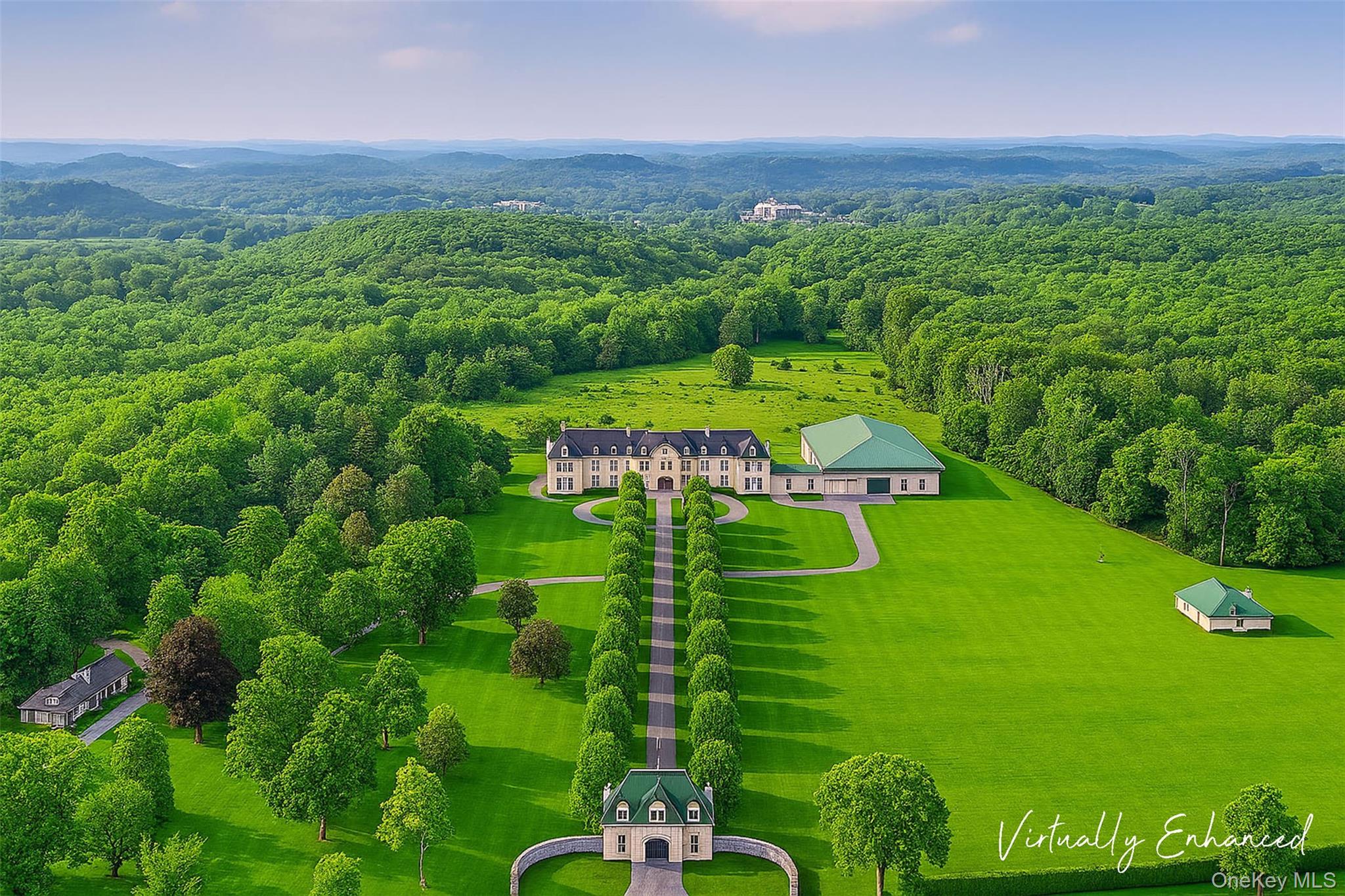
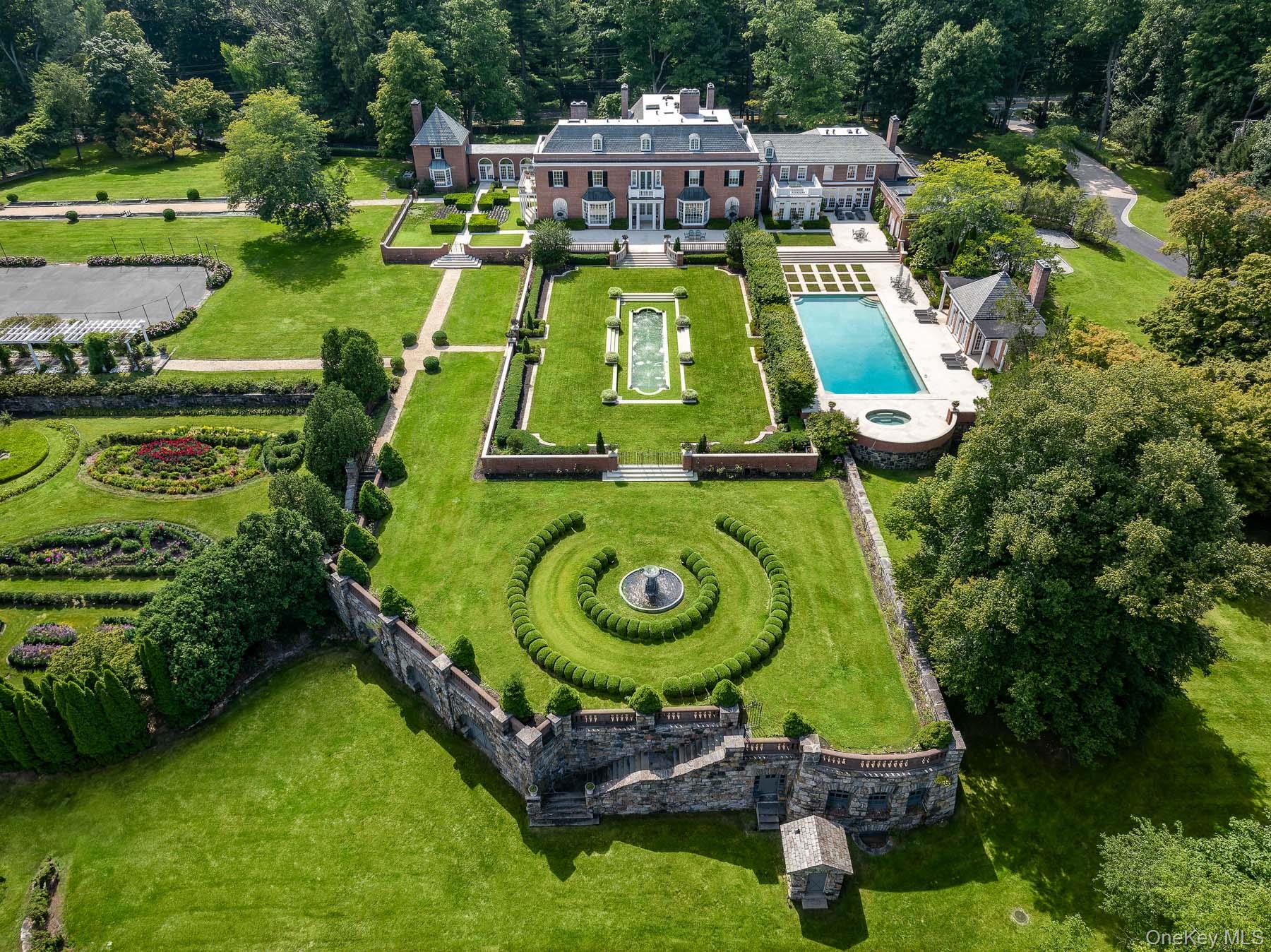
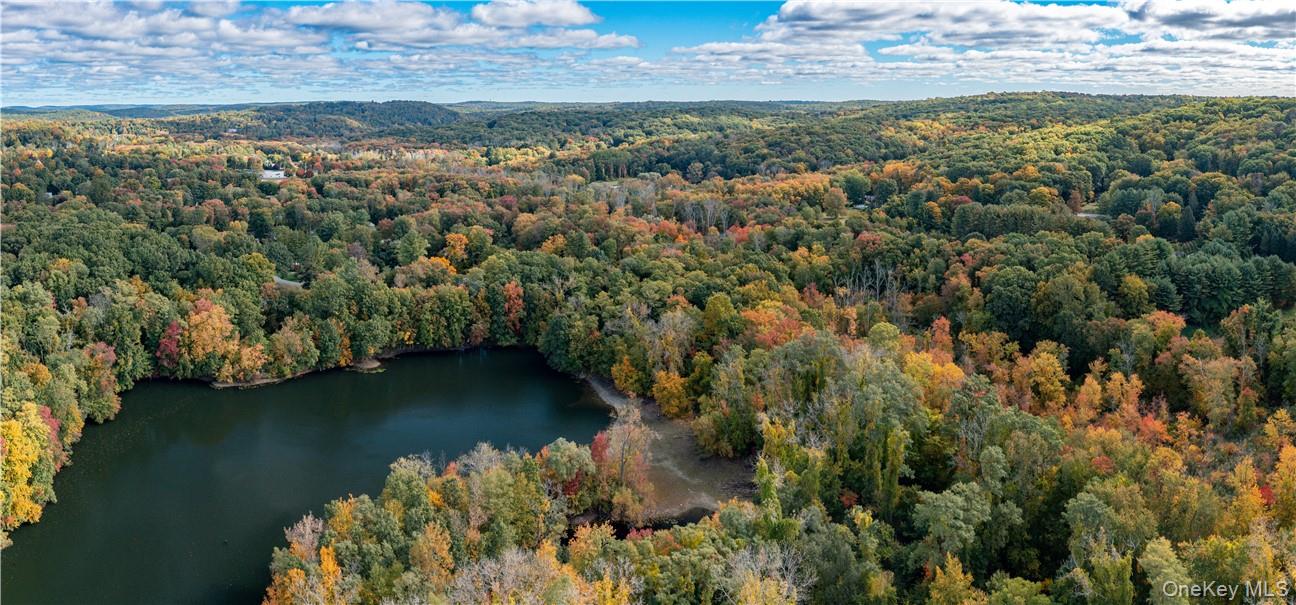
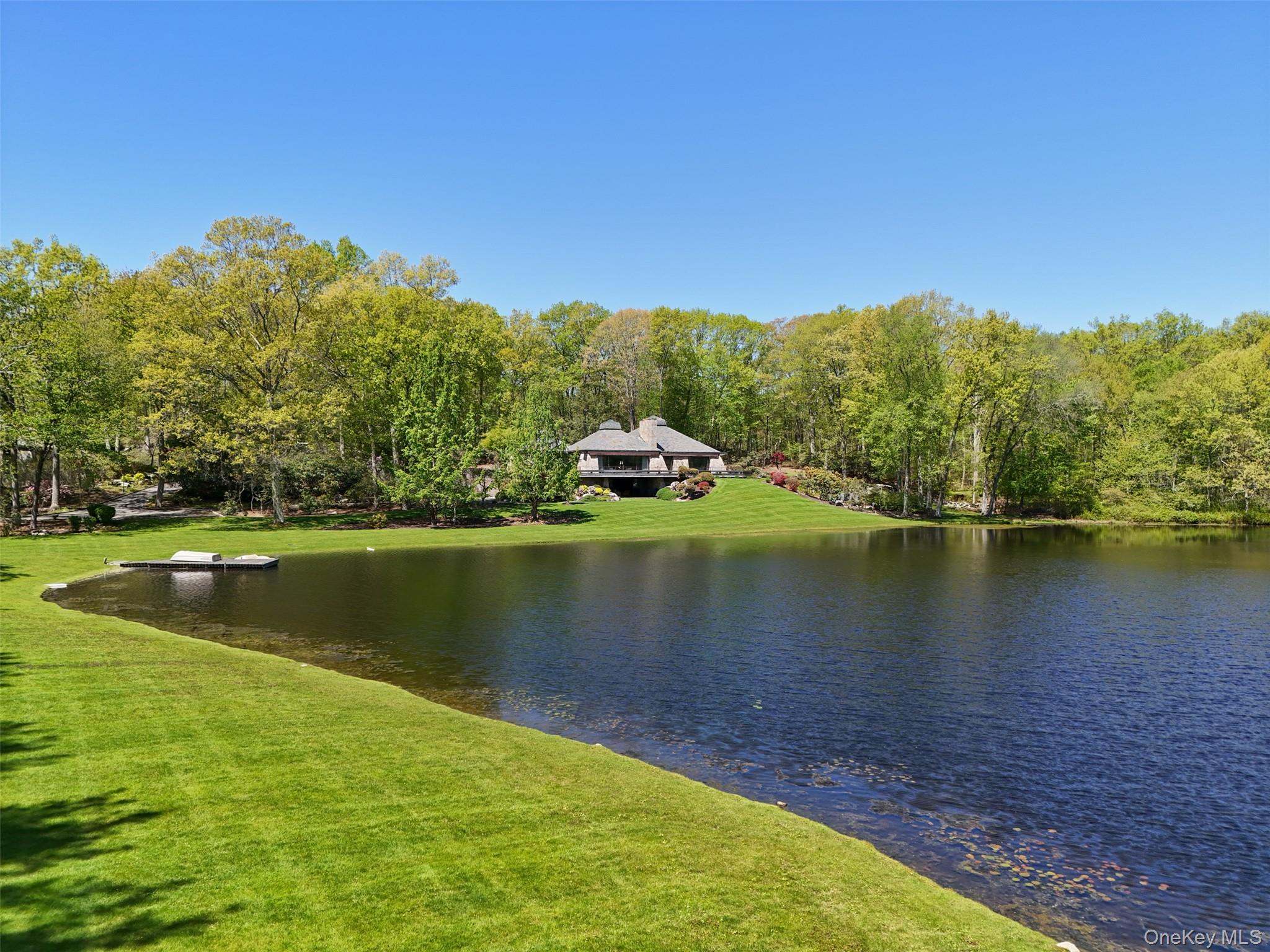
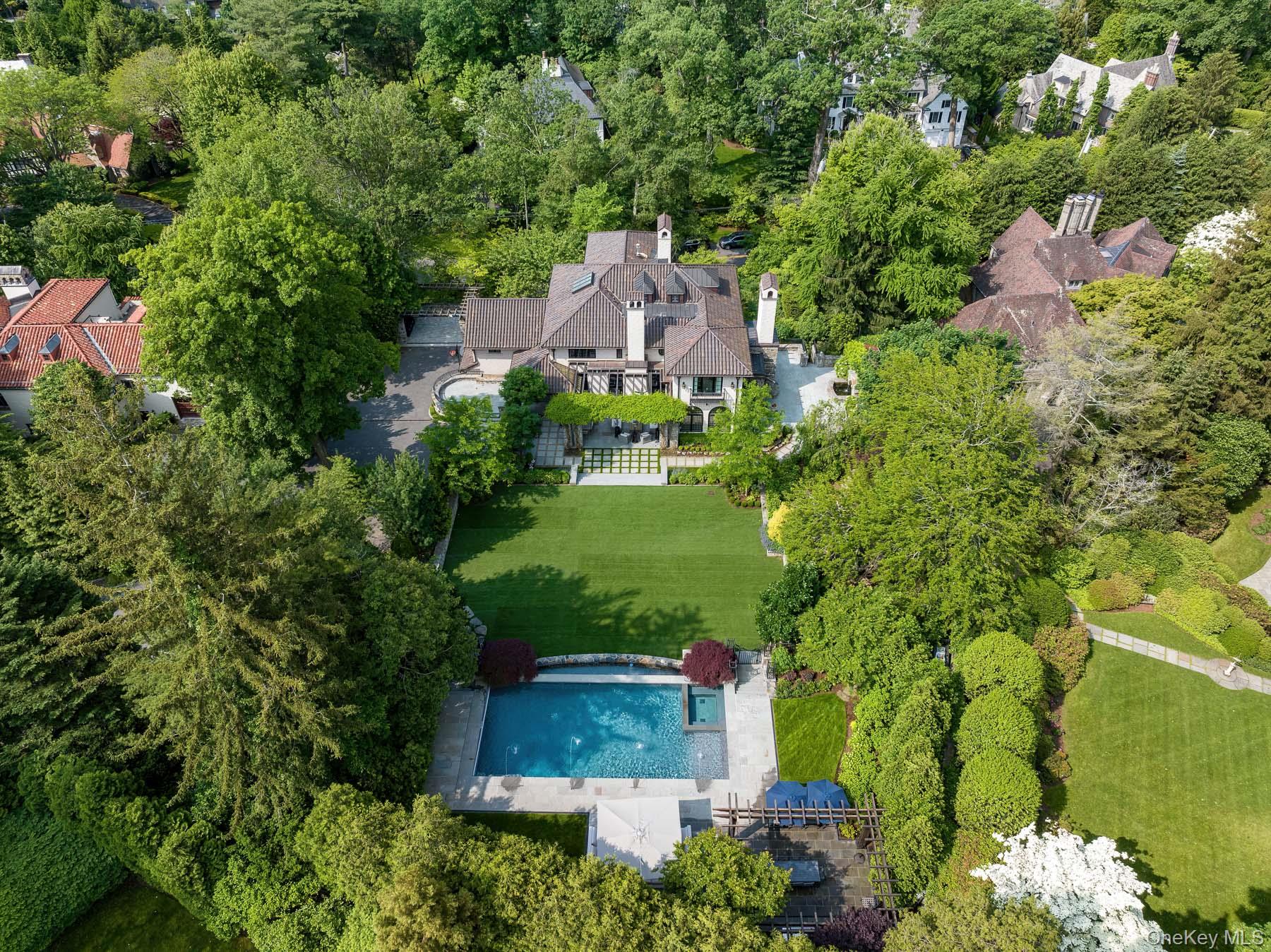
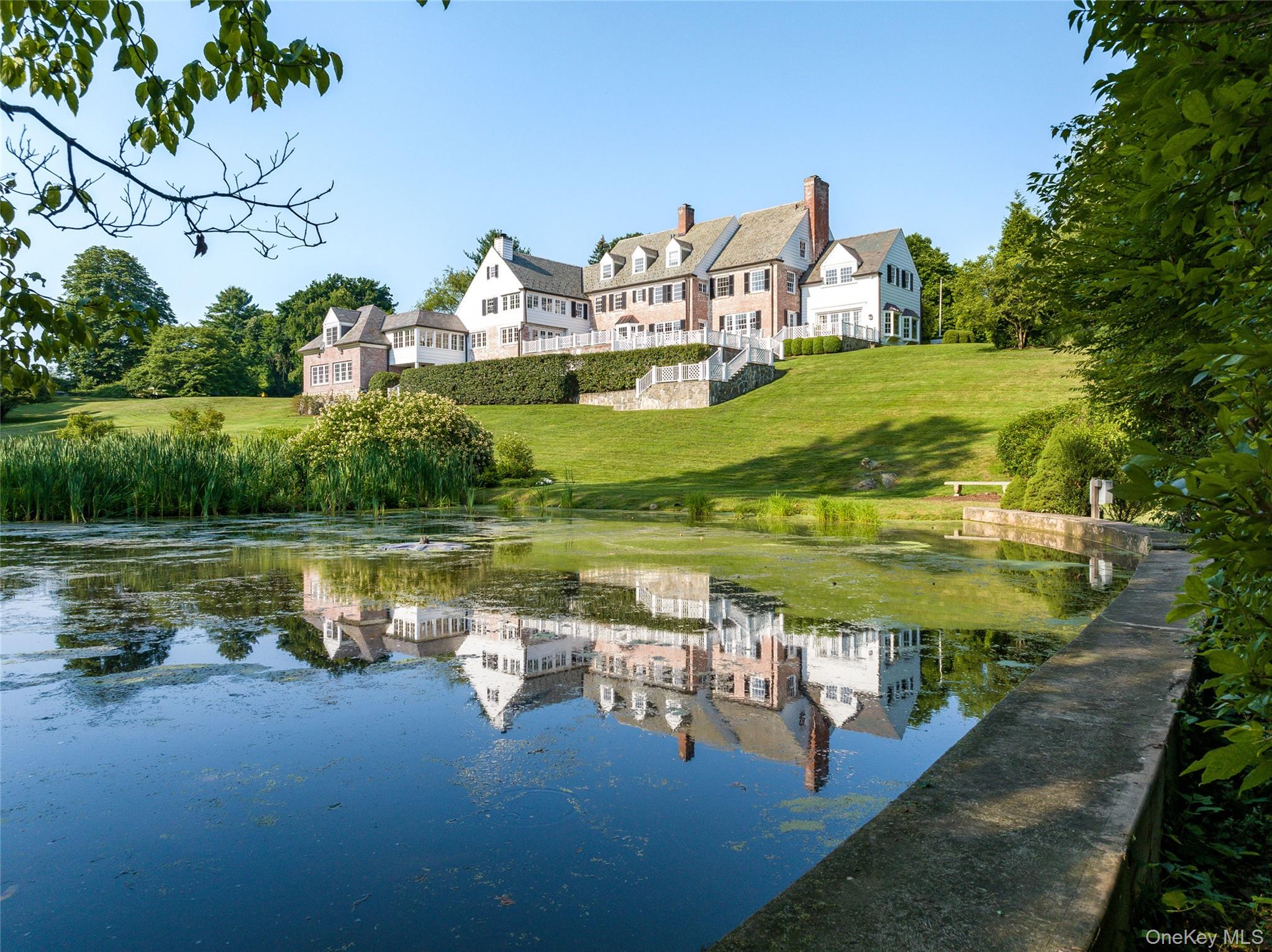
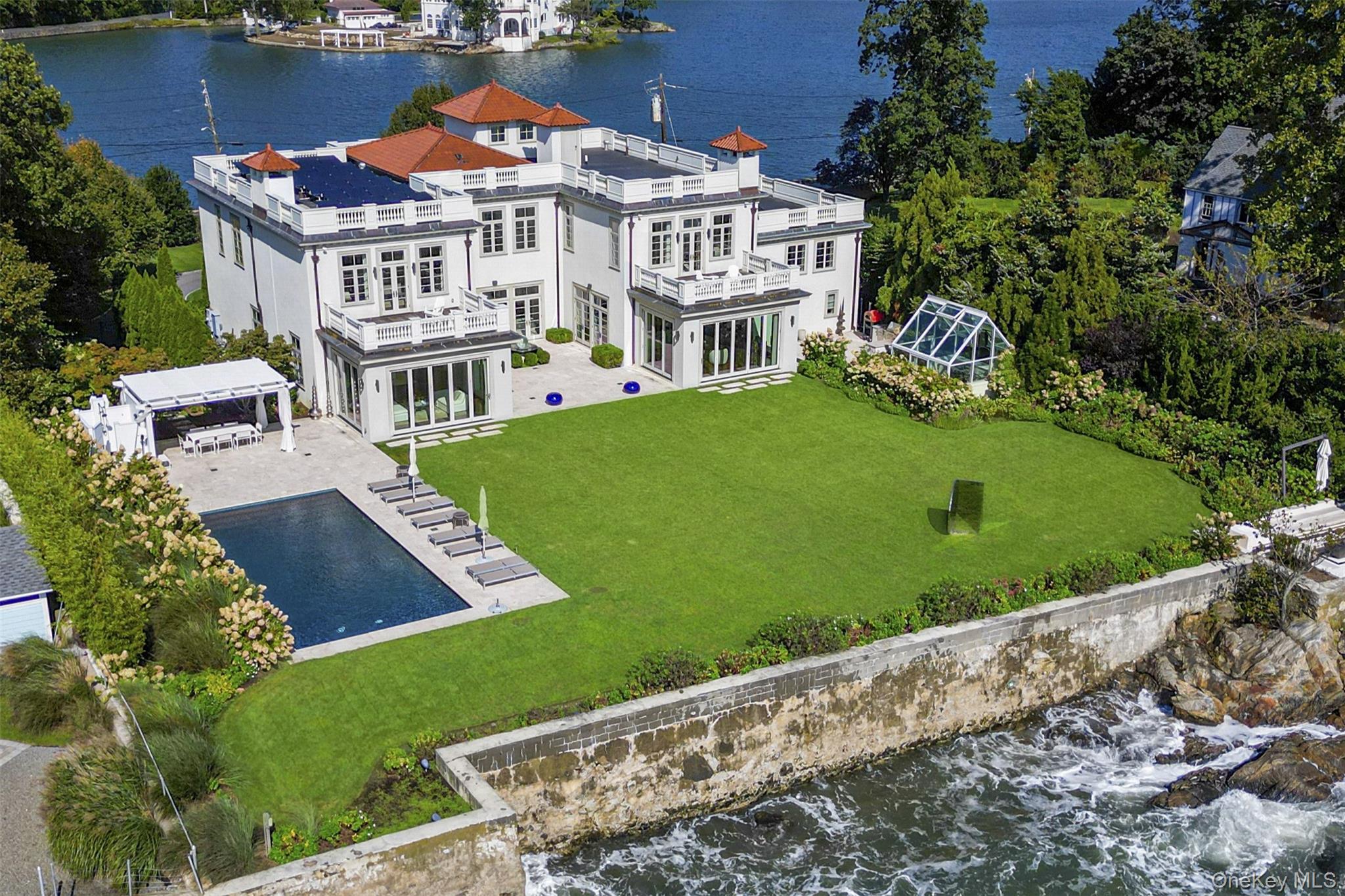
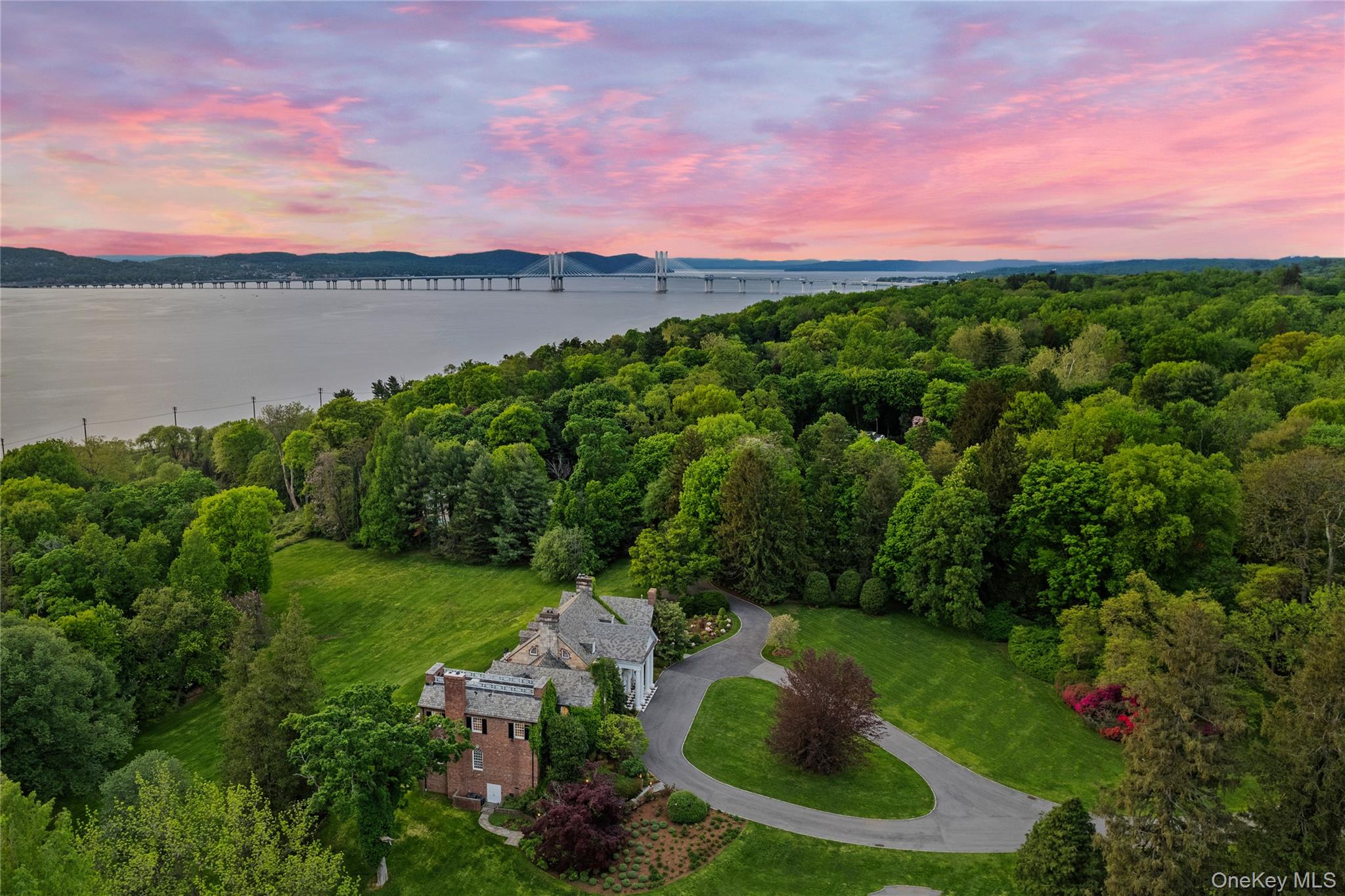
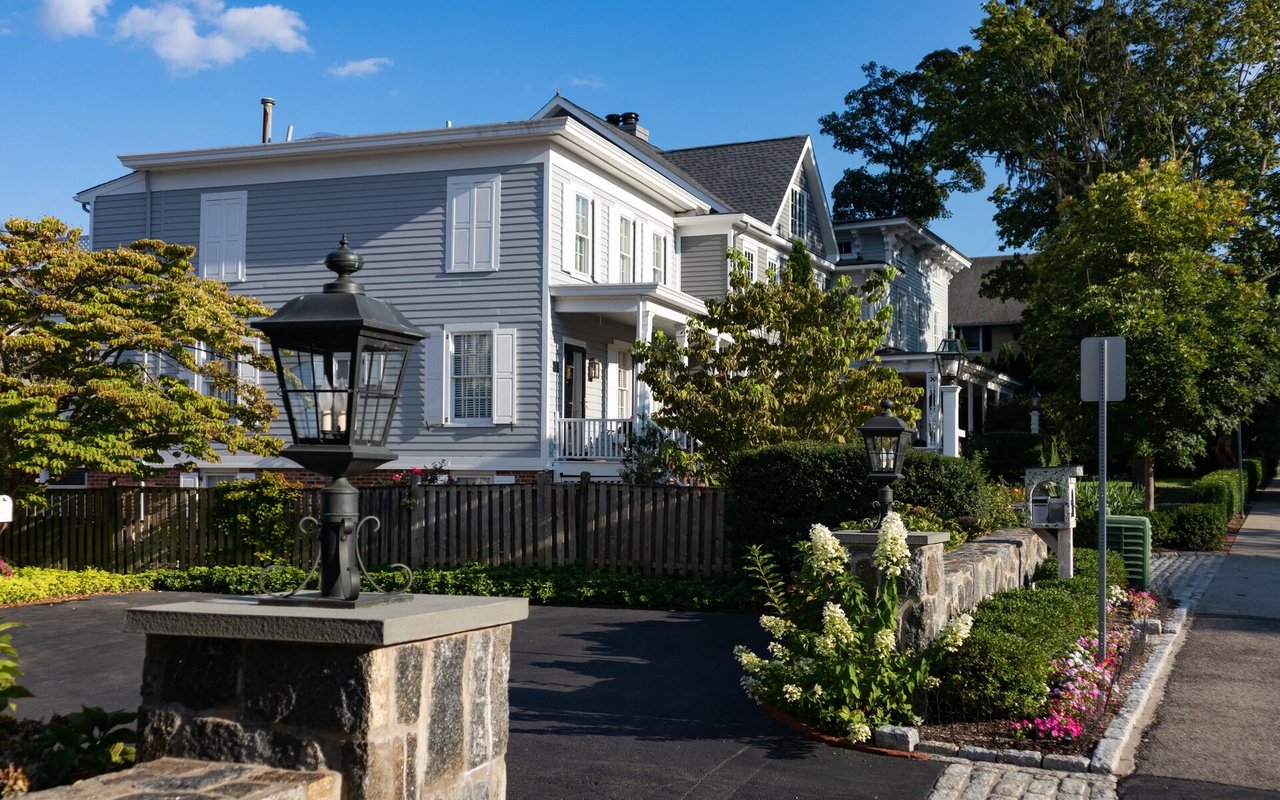
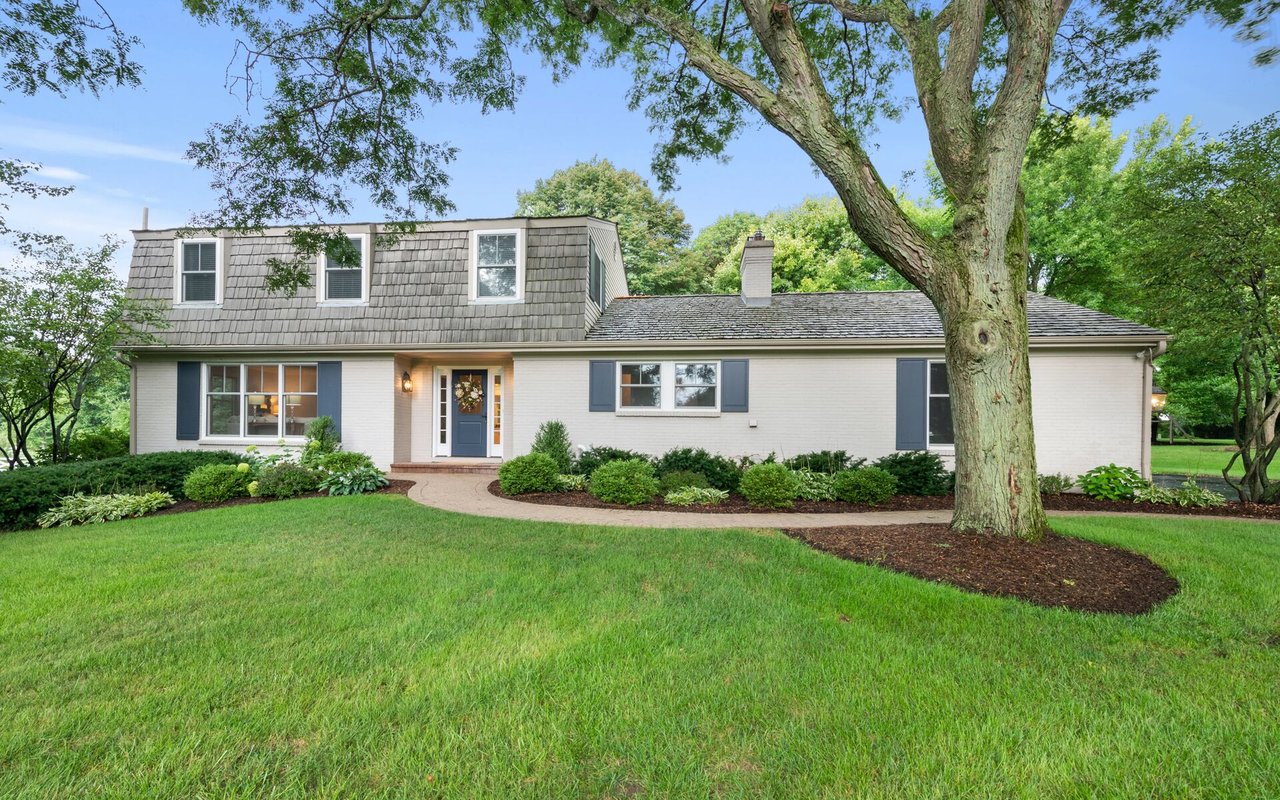
Westchester County sits just north of New York City, offering one of the most established luxury suburban markets in the New York metropolitan area. The county blends historic villages, waterfront communities, private estate enclaves, walkable downtowns, commuter-friendly cities, and quiet northern towns with open space and a more rural feel.
Westchester is known for its direct Metro-North access to Manhattan, highly regarded school districts, Hudson River and Long Island Sound settings, historic estates, polished village centers, and a deep inventory of architectural styles. Buyers can find everything from classic Colonials and Tudor homes to waterfront estates, in-town condos, prewar co-ops, new construction, and acreage properties near the Connecticut border.
This guide covers the history, lifestyle, real estate market, schools, amenities, residential settings, and investment picture for Westchester County, New York.
Key Facts: Westchester County, NY | |
|---|---|
County Seat | White Plains |
Community Type | Established suburban county with cities, towns, villages, waterfront communities, estate areas, and commuter neighborhoods |
Location | Southeastern New York, directly north of the Bronx and New York City, with the Hudson River to the west and Long Island Sound to the southeast |
Population | Approximately 990,817 residents according to New York State’s 2023 county profile |
Area | Approximately 450 square miles |
Founded | 1683 |
Municipalities | 48 municipalities, including cities, towns, and villages |
Major Cities | Yonkers, New Rochelle, Mount Vernon, White Plains, Peekskill, and Rye |
Primary Rail Access | Metro-North Hudson, Harlem, and New Haven lines with service to Grand Central Terminal and other regional connections |
Major Roadways | I-87, I-95, I-287, Bronx River Parkway, Saw Mill River Parkway, Hutchinson River Parkway, Sprain Brook Parkway, Taconic State Parkway, and Route 9 |
Outdoor Access | Hudson River, Long Island Sound, county parks, riverfront trails, golf courses, nature preserves, lakes, and northern Westchester open space |
School Profile | Multiple public school districts, private schools, and nearby higher education options; buyers should verify district boundaries by property address |
Market Profile | Competitive suburban and luxury market with strong demand for train access, school districts, village walkability, waterfront homes, and private estate settings |
Westchester County Lifestyle Snapshot
An editorial snapshot of the county’s strongest lifestyle attributes, not a statistical ranking.
Westchester County is one of New York’s most desirable places for buyers who want space, privacy, and a suburban lifestyle while staying closely connected to Manhattan. It stretches from denser southern communities near the Bronx to quiet northern towns with farms, horse properties, wooded roads, reservoirs, and estate acreage.
The county’s appeal comes from variety. A buyer looking for a walk-to-train village may focus on Bronxville, Larchmont, Rye, Scarsdale, Irvington, Dobbs Ferry, or Pleasantville. Someone who wants more privacy may look toward Bedford, Pound Ridge, North Salem, Armonk, or Chappaqua. Buyers who want city convenience often compare White Plains, New Rochelle, Yonkers, and Mount Vernon, where transit, condos, restaurants, and services are easier to access.
Westchester County is best for buyers who want a refined suburban lifestyle with real variety. The county offers train towns, historic river villages, Sound Shore communities, estate neighborhoods, urban centers, and northern countryside within practical reach of New York City.
Westchester County was founded in 1683 and has played a major role in the development of suburban New York. Its location between New York City, the Hudson River, Long Island Sound, and the Connecticut border shaped its identity as both a commuter destination and a historic residential region.
The county became known for early suburban growth in the late 19th and early 20th centuries, as rail connections made it possible for residents to work in New York City while living in quieter towns and villages. Many communities still show that legacy through walkable train centers, older homes near the station, village greens, main streets, and neighborhoods built around commuter convenience.
Westchester also has a strong estate and preservation history. Areas along the Hudson River and northern Westchester include mansions, historic homes, former country estates, stone walls, carriage roads, and parkland tied to generations of New York families. Communities such as Tarrytown, Sleepy Hollow, Irvington, Bedford, and Briarcliff Manor continue to carry that sense of heritage.
Today, the county’s character is both classic and current. Historic homes, downtown revitalization, luxury new construction, waterfront redevelopment, and modern commuter living all exist side by side. That mix is one reason Westchester remains attractive to buyers relocating from New York City, Brooklyn, Queens, Long Island, Connecticut, and other high-demand Northeast markets.
Westchester’s heritage is not limited to old estates. Its commuter rail towns, riverfront villages, Sound Shore neighborhoods, and civic downtowns all help define the county’s long-standing role as one of New York’s most established suburban residential markets.
Westchester County’s transportation network is one of its strongest advantages. Metro-North connects many communities to Grand Central Terminal, while major parkways, interstates, bus routes, and Westchester County Airport support regional travel. Commute time varies widely depending on the town, station, train schedule, parking, and road conditions.
Destination | Approximate Distance / Time | Route |
|---|---|---|
Manhattan / Grand Central Terminal | Approx. 25–75 min by Metro-North, depending on station and line | Hudson, Harlem, or New Haven Line service from Westchester stations |
White Plains | Central county hub | I-287, Bronx River Parkway, Hutchinson River Parkway, Metro-North Harlem Line, and Bee-Line bus connections |
Yonkers | Southern Westchester / quick NYC access | Hudson Line, Saw Mill River Parkway, I-87, Bronx River Parkway, and local connections to the Bronx |
New Rochelle | Sound Shore / regional transit hub | New Haven Line, I-95, Hutchinson River Parkway, and local bus connections |
Tarrytown / Rivertowns | Approx. 35–50 min to Manhattan by train, depending on service | Hudson Line, Route 9, I-87, I-287, and nearby Governor Mario M. Cuomo Bridge access |
Scarsdale / Bronxville / Larchmont | Approx. 30–45 min to Manhattan by train, depending on service | Harlem or New Haven Line stations, with local village-center access |
Bedford / Katonah / Northern Westchester | Approx. 60–80+ min to Manhattan by train or car, depending on location | Harlem Line stations, I-684, Saw Mill River Parkway, and local country roads |
Westchester County Airport | Approx. 10–35 min from many central and northern communities | I-684, I-287, King Street, and Purchase-area roadways |
Metro-North access is a major driver of demand in Westchester real estate. The Hudson Line serves river communities such as Yonkers, Hastings-on-Hudson, Dobbs Ferry, Irvington, Tarrytown, Ossining, Croton-on-Hudson, and Peekskill. The Harlem Line serves communities such as Bronxville, Scarsdale, Hartsdale, White Plains, Chappaqua, Mount Kisco, Bedford Hills, Katonah, and Goldens Bridge. The New Haven Line serves Sound Shore communities including Mount Vernon, Pelham, New Rochelle, Larchmont, Mamaroneck, Harrison, Rye, and Port Chester.
Westchester County is a broad market, so countywide numbers should be read as a starting point rather than a complete picture. Pricing can change significantly from one town to another, and even within the same school district. A waterfront property in Rye, a walk-to-train home in Bronxville, a Scarsdale Colonial, a White Plains condo, a New Rochelle townhome, and a Bedford estate can behave like very different markets.
Zillow’s April 2026 housing snapshot showed an average Westchester County home value of approximately $847,146, up 5.6% year over year. The same snapshot showed countywide inventory of 1,895 homes, a median list price of approximately $692,543, a median sale price of approximately $692,333, and a median of 21 days to pending. Nearly half of March 2026 sales closed above list price, showing that well-positioned homes can still draw strong competition.
Property Segment | Market Character | Buyer Consideration |
|---|---|---|
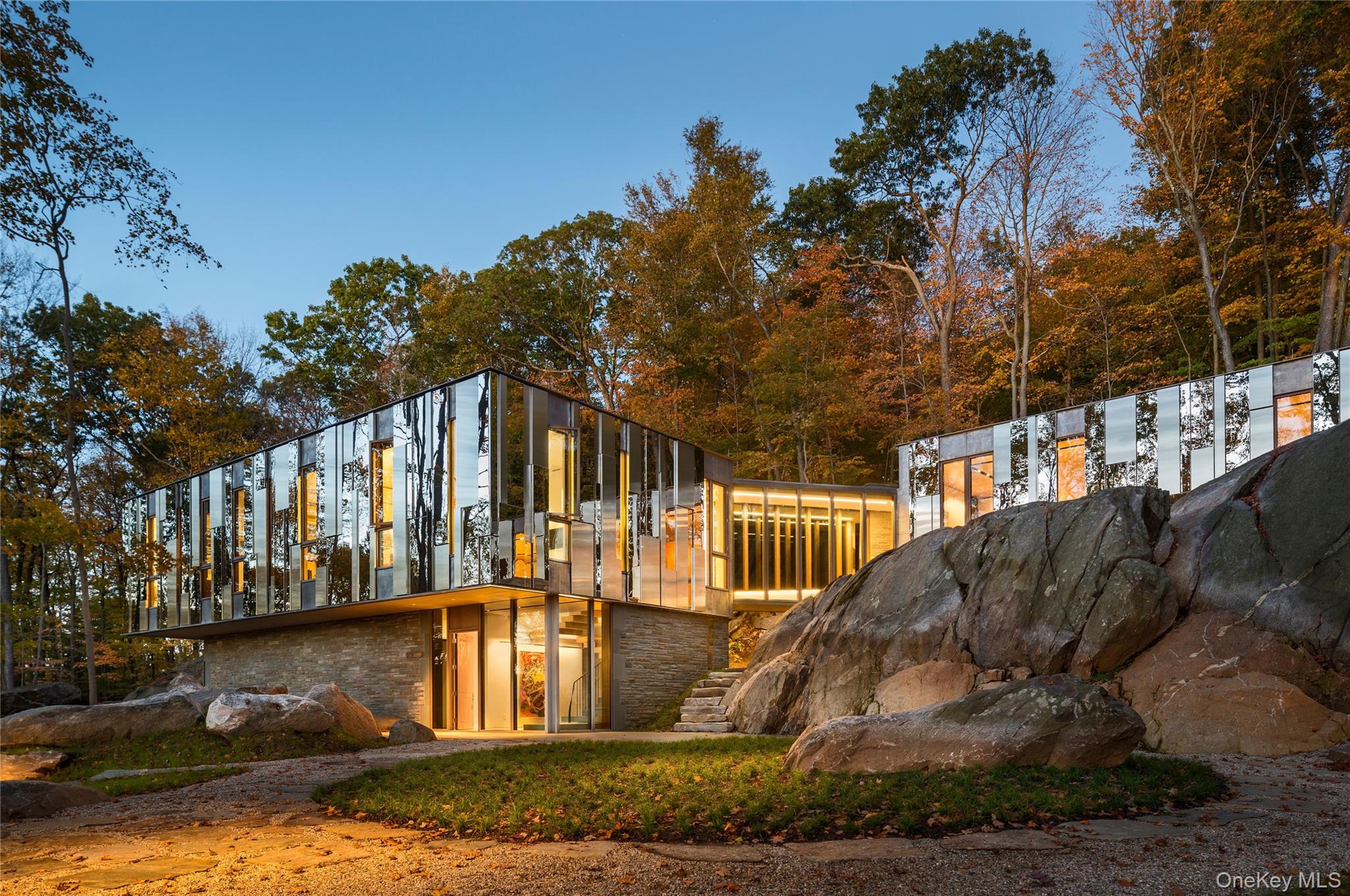
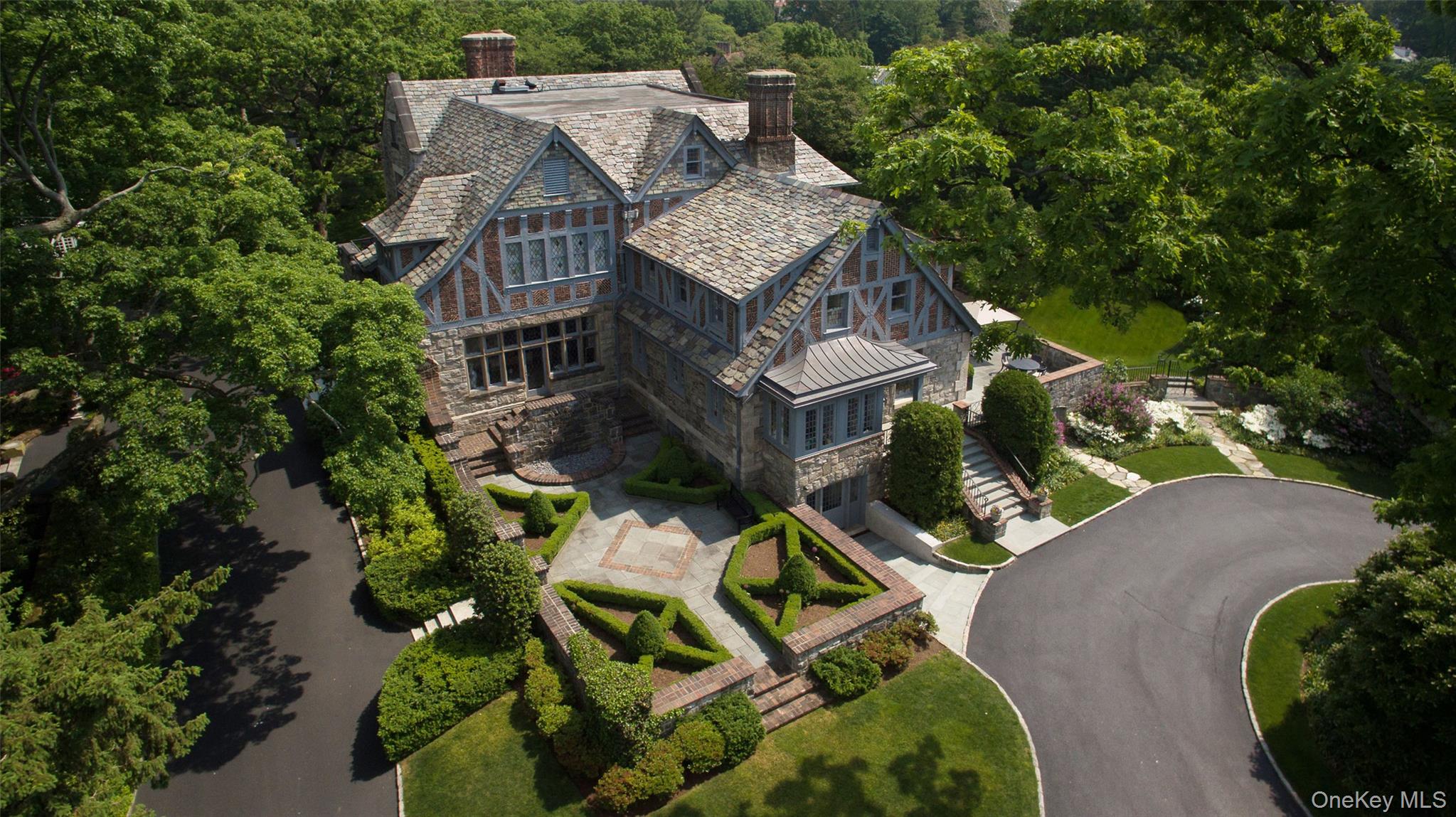
Luxury estates | Found in areas such as Scarsdale, Bedford, Pound Ridge, North Salem, Purchase, Rye, Armonk, Chappaqua, and Briarcliff Manor | Review acreage, privacy, taxes, maintenance, pool systems, septic, wells, guest structures, and renovation history carefully |
Sound Shore homes | Popular in Rye, Larchmont, Mamaroneck, New Rochelle, Pelham, and Harrison for water access, village life, and train convenience | Flood zones, coastal insurance, elevation, drainage, and commute logistics should be checked by property |
Hudson River communities | Rivertowns such as Irvington, Dobbs Ferry, Hastings-on-Hudson, Tarrytown, Ossining, and Croton-on-Hudson offer character and scenic appeal | Buyers often weigh walkability, views, historic-home upkeep, hilltop roads, and station access |
Walk-to-train suburbs | High demand around Bronxville, Scarsdale, Larchmont, Rye, Pelham, Irvington, Pleasantville, and other station-centered communities | Proximity to train, schools, village shops, and sidewalks can create meaningful pricing premiums |
Condos, co-ops, and townhomes | More common in White Plains, Yonkers, New Rochelle, Hartsdale, Mount Vernon, Port Chester, and select village centers | Review monthly fees, building reserves, parking, pet rules, assessments, rental rules, and commuting access |
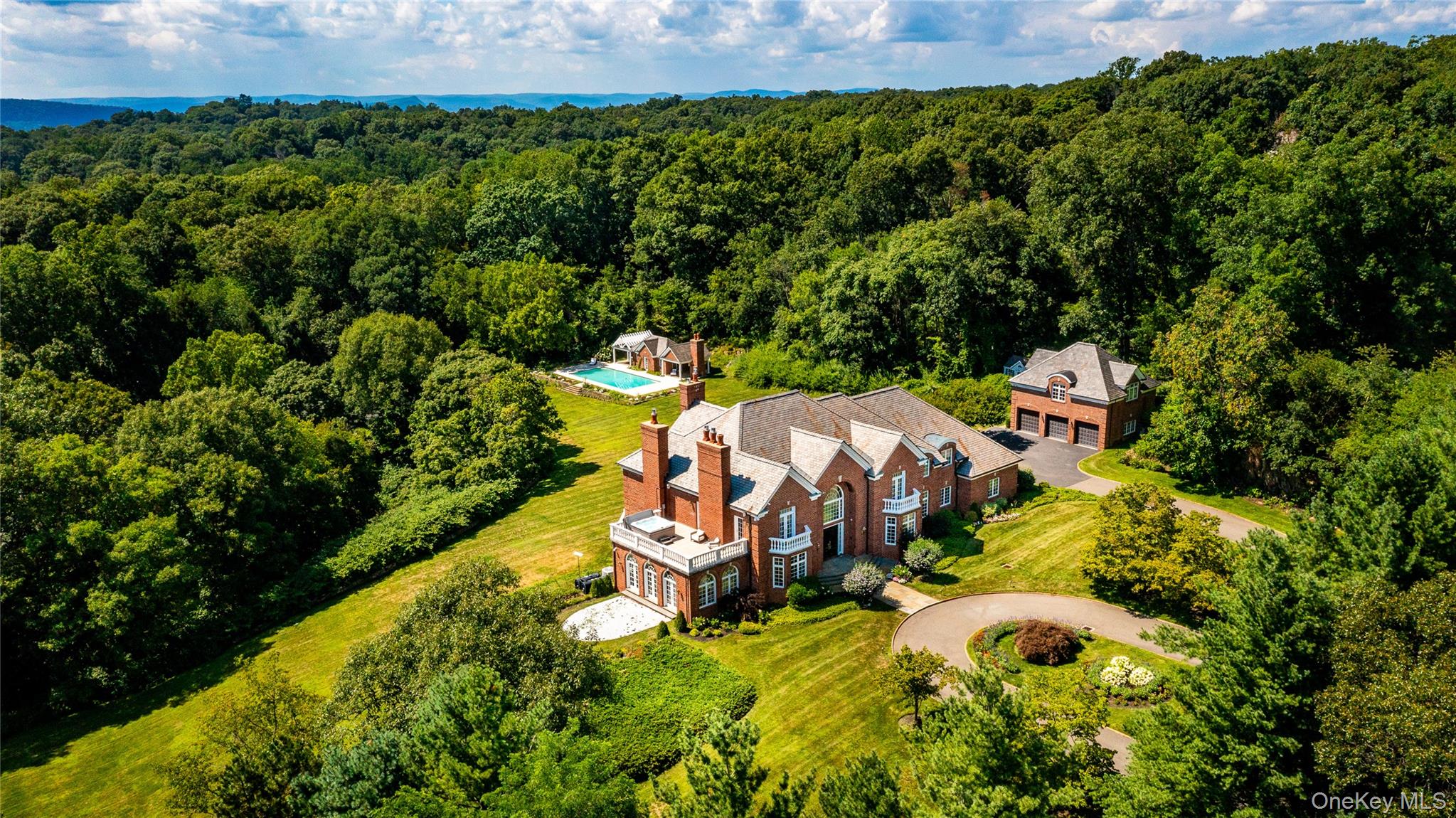
The strongest listings in Westchester tend to combine condition, location, and lifestyle. Homes that are renovated, well-priced, near a train station, zoned for a desired school district, or located in a favorite village center often receive the most attention. Luxury buyers may prioritize privacy, acreage, water views, architectural quality, and resort-style outdoor amenities.
Westchester pricing is highly local. A countywide median can be useful, but buyers should compare each property against its own town, school district, train access, tax profile, condition, and neighborhood setting.
Westchester County lifestyle is polished, practical, and varied. Residents can commute into Manhattan, spend weekends in river towns, enjoy Sound Shore waterfronts, shop and dine in walkable villages, or live in northern neighborhoods with more space and privacy. The county feels suburban, but it does not have one single personality.
Many Westchester communities have walkable downtowns with restaurants, coffee shops, boutiques, train stations, parks, and neighborhood services close together.
Metro-North access keeps Manhattan within reach for commuters, hybrid workers, cultural events, dining, and airport connections through New York City.
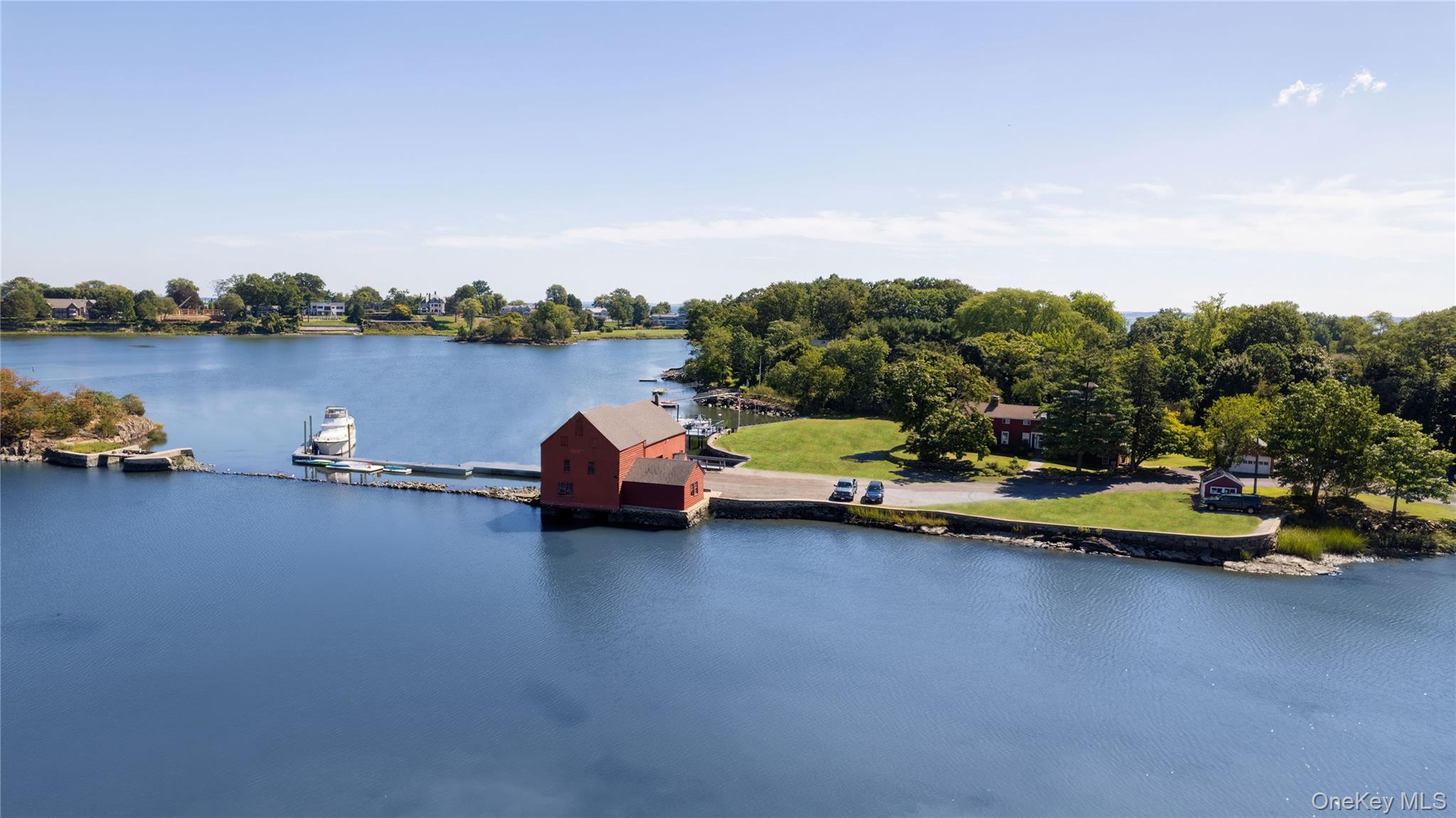
The Hudson River and Long Island Sound create two distinct waterfront lifestyles, from rivertown views to marinas, beaches, yacht clubs, and coastal neighborhoods.
County parks, nature preserves, reservoirs, riverfront paths, golf courses, and trail systems make outdoor recreation a meaningful part of daily life.
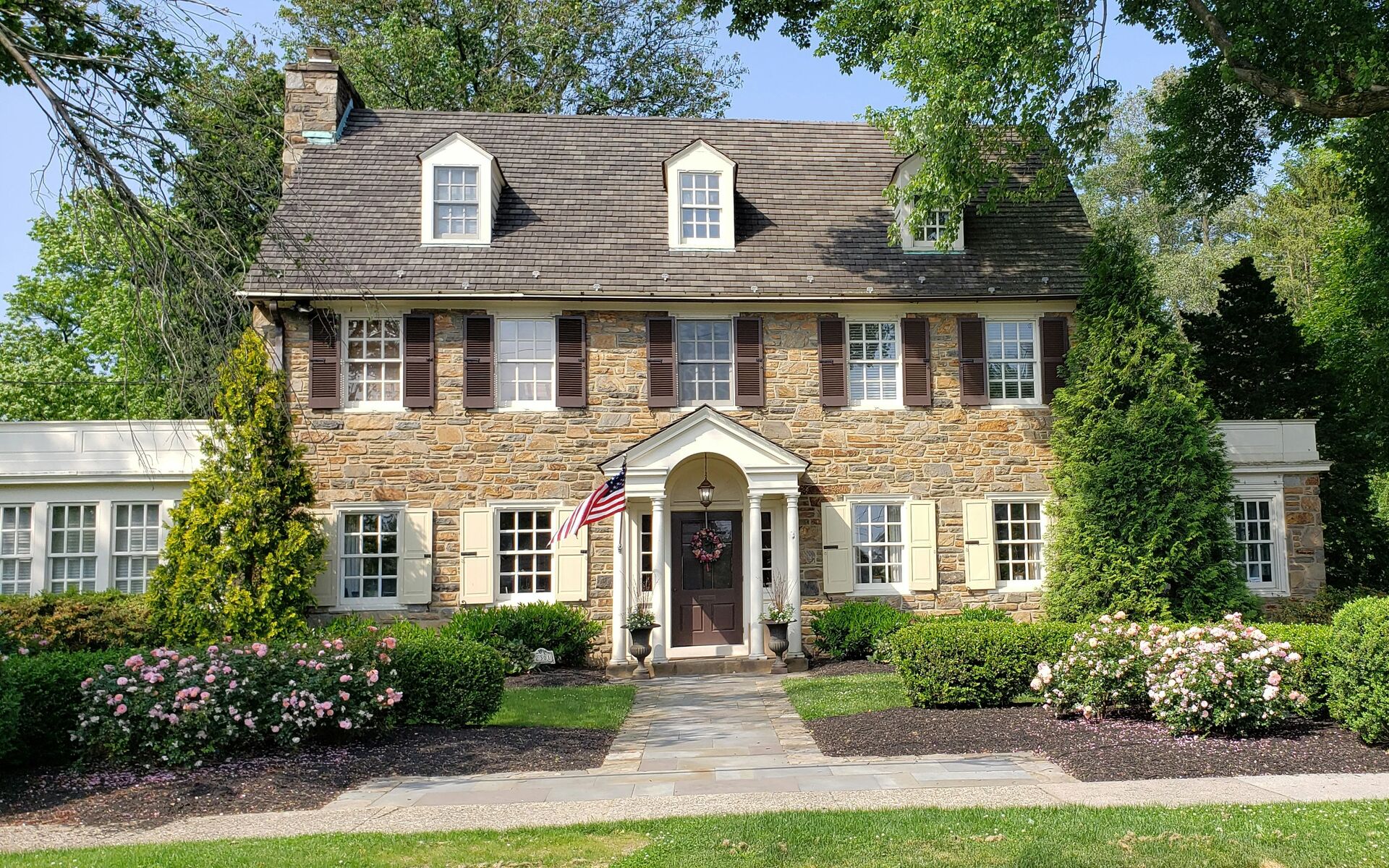
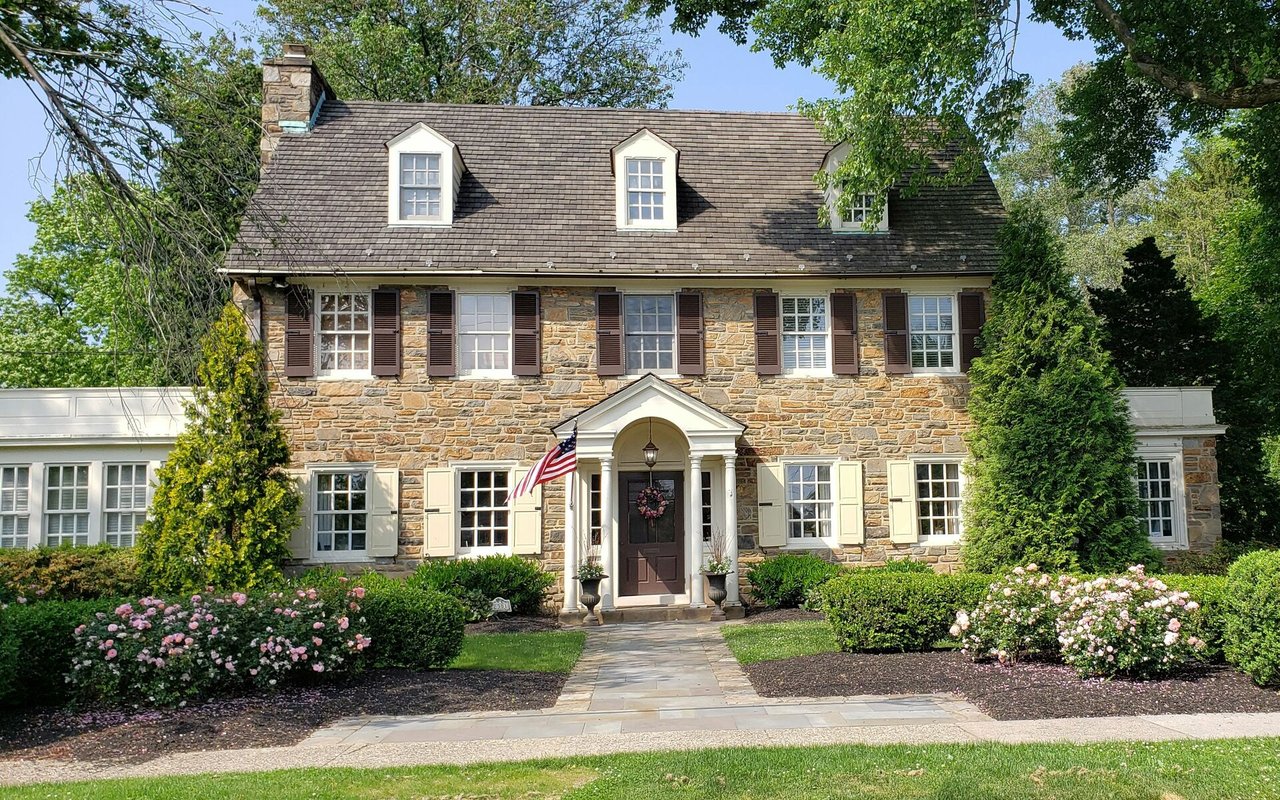
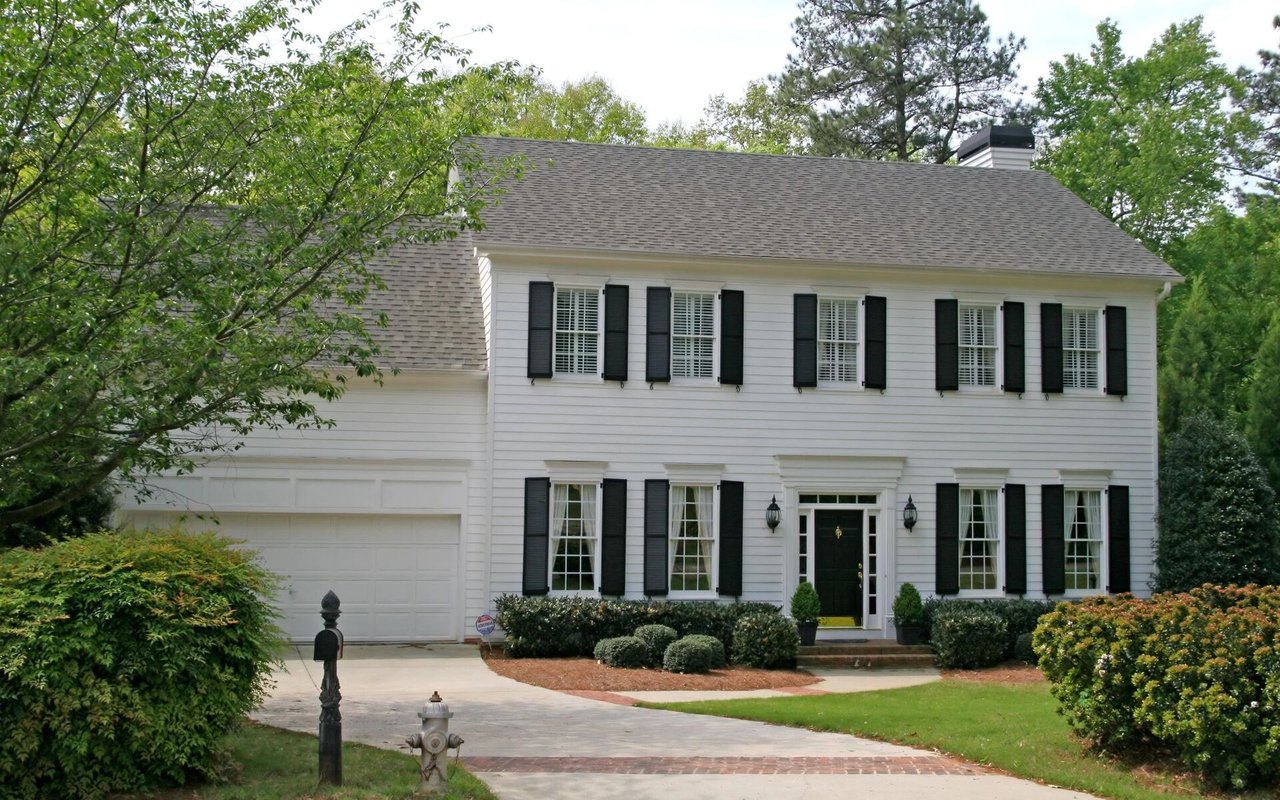
Westchester offers Colonials, Tudors, Victorians, stone estates, mid-century homes, prewar buildings, and historic village streets with long-term architectural appeal.
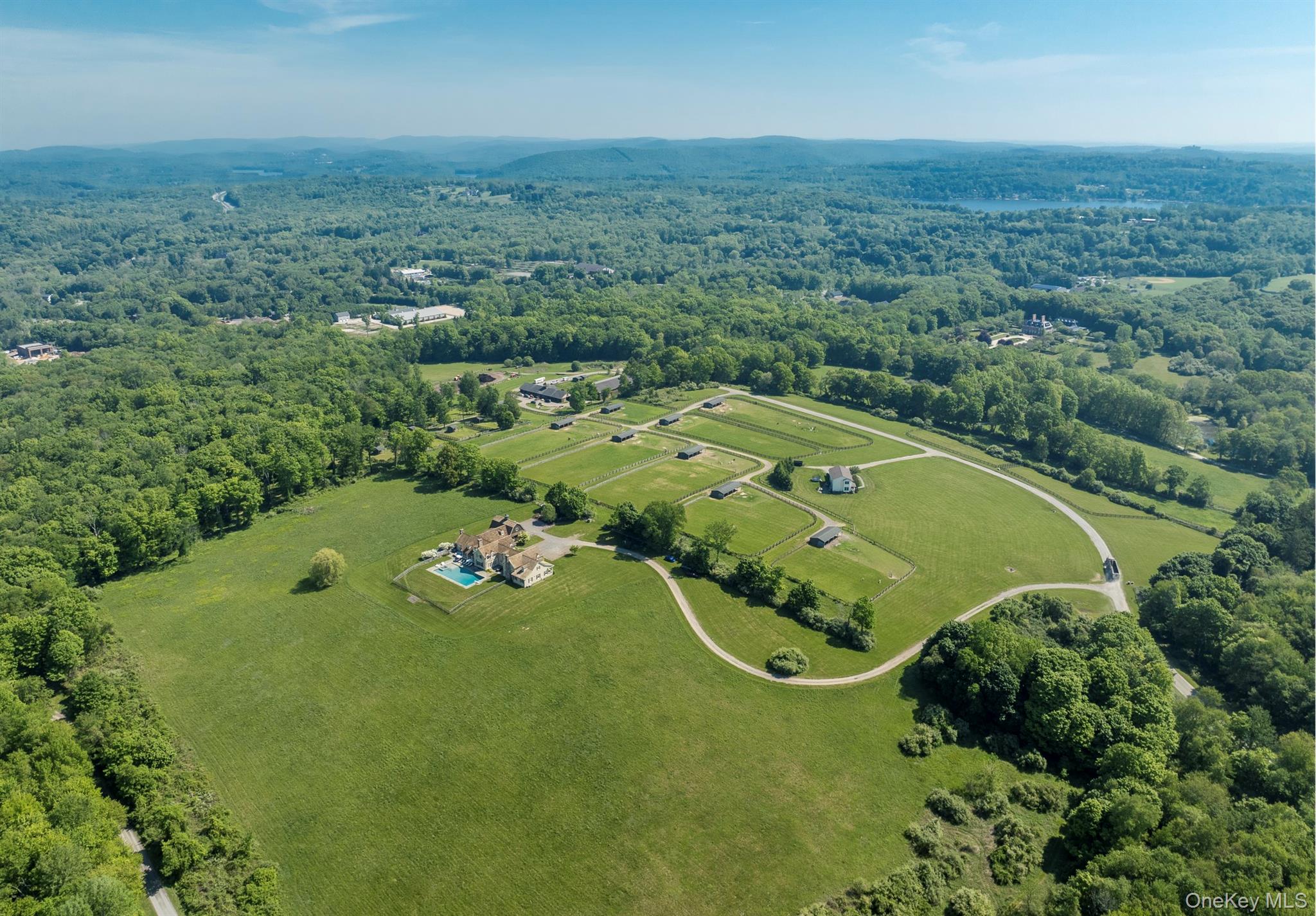
Northern Westchester offers wooded lots, horse properties, acreage, country roads, and estate settings while still keeping regional transportation within reach.
Westchester’s amenities are spread across many towns and cities rather than concentrated in one center. White Plains serves as a major business, shopping, dining, and transit hub, while communities like Rye, Scarsdale, Larchmont, Bronxville, Chappaqua, Tarrytown, Dobbs Ferry, Pleasantville, and Katonah offer strong local downtowns. Larger cities such as Yonkers, New Rochelle, and Mount Vernon add density, services, waterfront redevelopment, and commuter infrastructure.
Category | What’s Available |
|---|---|
Grocery & Everyday | Whole Foods, Trader Joe’s, Wegmans, local markets, specialty food shops, farmers markets, village grocers, pharmacies, and daily services throughout the county |
Dining | Fine dining, waterfront restaurants, village cafés, bakeries, farm-to-table concepts, family restaurants, and a strong local dining scene from southern to northern Westchester |
Healthcare | Major hospitals, urgent care centers, specialty practices, dental offices, pediatric care, and medical services across White Plains, Bronxville, Valhalla, Mount Kisco, New Rochelle, and nearby areas |
Transit | Metro-North Hudson, Harlem, and New Haven lines, Bee-Line bus service, parkways, interstates, local shuttles, and Westchester County Airport access |
Outdoor Recreation | Hudson River parks, Long Island Sound beaches, county parks, nature preserves, golf courses, reservoirs, bike paths, hiking trails, marinas, and equestrian areas |
Shopping | Luxury retail, village boutiques, shopping centers, local design stores, specialty markets, and larger retail corridors in White Plains, Yonkers, New Rochelle, Port Chester, and Mount Kisco |
Arts & Culture | Historic sites, theaters, museums, galleries, music venues, film locations, seasonal festivals, local libraries, cultural centers, and community events throughout the county |
Westchester’s amenity profile is one of its biggest strengths. Buyers can choose a quiet residential setting without giving up dining, shopping, healthcare, public transportation, arts, recreation, and daily convenience.
Westchester is best understood by lifestyle setting rather than one countywide neighborhood type. Southern communities generally offer shorter NYC access and more density. Central Westchester offers a mix of village life, schools, and commuting. The Rivertowns bring Hudson River character. The Sound Shore offers coastal appeal. Northern Westchester provides more land, privacy, and a country residential feel.
Bronxville is known for its compact village center, train access, classic architecture, and highly coveted in-town lifestyle. Buyers often value its walkability and small-village scale.
Scarsdale and Edgemont attract buyers looking for elegant homes, established neighborhoods, strong school demand, and a refined suburban setting close to Manhattan.
These areas offer Sound Shore access, private clubs, estate properties, village convenience, and a mix of coastal, suburban, and luxury residential settings.
Larchmont and Mamaroneck are popular for waterfront lifestyle, village amenities, train access, restaurants, marinas, and a strong sense of local community.
Irvington, Dobbs Ferry, Hastings-on-Hudson, Tarrytown, and nearby river communities offer historic charm, scenic views, walkable centers, and a creative local feel.
Bedford, Katonah, Pound Ridge, North Salem, Armonk, and Chappaqua appeal to buyers seeking privacy, acreage, wooded roads, and a quieter residential rhythm.
Area | Character | Best For |
|---|---|---|
Southern Westchester | More urban, closer to New York City, with strong transit access and a mix of homes, condos, and co-ops | Commuters, first-time suburban buyers, condo buyers, and those who want city convenience nearby |
Sound Shore | Coastal, village-oriented, train-friendly, and known for Long Island Sound access | Buyers seeking waterfront lifestyle, marinas, walkable villages, and strong commuting options |
Rivertowns | Historic, scenic, creative, and often centered around Hudson Line stations and river views | Buyers who want charm, views, older homes, village centers, and a distinctive local identity |
Central Westchester | Convenient, balanced, and close to major roads, business hubs, shopping, and schools | Buyers wanting practical access to White Plains, highways, train stations, and everyday services |
Northern Westchester | Spacious, wooded, private, and more rural in feel, with estates, acreage, and country roads | Buyers prioritizing privacy, land, equestrian potential, and a quieter lifestyle |
Schools are one of the strongest drivers of demand in Westchester County. The county includes many public school districts, and district boundaries do not always match municipal boundaries. Two homes in the same town can sometimes feed into different school districts, so buyers should verify assignments by exact address before making decisions.
School / District | Type / Grades | Notes |
|---|---|---|
Westchester Public School Districts | Public K–12 districts | The county includes multiple public school districts serving different cities, towns, villages, and neighborhood areas; assignments should be verified by address |
Scarsdale Union Free School District | Public K–12 | Often considered by buyers seeking a highly established suburban school environment and classic residential neighborhoods |
Bronxville Union Free School District | Public K–12 | Serves the compact village of Bronxville and is closely tied to the area’s walkable, in-town residential appeal |
Chappaqua Central School District | Public K–12 | Serves parts of northern and central Westchester, including communities that appeal to buyers seeking space and strong school-driven demand |
Byram Hills, Rye City, Harrison, Mamaroneck, Bedford, Katonah-Lewisboro | Public K–12 districts | Representative districts often reviewed by buyers comparing Sound Shore, estate, and northern Westchester settings |
Private & Independent Schools | Preschool through high school | Private, parochial, Montessori, early childhood, and specialty education options are available throughout the county and nearby areas |
Higher Education | College and university options | Westchester includes and is near institutions such as SUNY Westchester Community College, Pace University, Sarah Lawrence College, Manhattanville University, Purchase College, and Iona University |
Families should review enrollment rules, transportation, special programs, preschool availability, after-school care, commute routes, and proximity to activities. Because school demand can influence pricing, it is also important to compare homes within the correct district and not only by town name.
For family buyers, Westchester school research should always be address-specific. District lines, elementary school assignments, transportation, and program availability can vary even within the same town or village.
Westchester’s investment case is built on proximity to New York City, limited land supply, commuter infrastructure, school-driven demand, and long-term suburban appeal. The county serves buyers who are leaving the city for more space, relocating within the region, moving for schools, downsizing into condos, or upgrading into luxury homes with privacy and outdoor amenities.
Market Snapshot | |
|---|---|
Average county home value | Approximately $847,146 according to Zillow’s April 2026 snapshot |
One-year value change | +5.6% in Zillow’s April 2026 countywide data |
Inventory profile | Countywide inventory was 1,895 homes in Zillow’s April 2026 snapshot, but supply varies widely by town and price point |
Median days to pending | 21 days in Zillow’s April 2026 snapshot, showing strong demand for well-positioned listings |
Primary property types | Single-family homes, luxury estates, condos, co-ops, townhomes, waterfront homes, and acreage properties |
Investment Fundamentals | |
|---|---|
Primary value driver | NYC access combined with suburban space, schools, village lifestyle, and limited prime inventory |
Buyer profile | NYC relocators, luxury buyers, families, downsizers, hybrid workers, commuters, and second-home or pied-à-terre buyers |
Supply profile | Highly local and often tight for renovated homes, walk-to-train properties, top school districts, and premium waterfront or estate listings |
Rental potential | Strong in select areas near trains, downtowns, hospitals, colleges, and corporate centers, but buyers should review building, town, and local rules |
Long-term appeal | Metro-North access, historic housing stock, school demand, waterfront settings, parks, and proximity to Manhattan support continued buyer interest |
The best long-term Westchester properties usually have a clear advantage. That may be walkability to the train, a desirable school district, updated condition, Hudson River or Long Island Sound views, low-maintenance ownership, acreage, architectural distinction, or a rare location near a village center.
For investment-minded buyers, Westchester is less about one countywide trend and more about choosing the right submarket. Train access, school district, taxes, condition, and local lifestyle often shape long-term performance more than the county average alone.
Westchester attracts buyers who want more room without feeling disconnected from New York City. It appeals to households moving out of Manhattan or Brooklyn, families comparing school districts, professionals balancing hybrid work, and luxury buyers who want privacy, outdoor space, and a more settled residential setting.
Metro-North service makes Westchester practical for residents who need regular or occasional access to Manhattan, especially in train-centered communities.
Many buyers prioritize Westchester for school options, parks, youth activities, libraries, village centers, and a more residential daily routine.
The county offers waterfront estates, gated properties, historic homes, new construction, acreage, pools, guest houses, and private outdoor living.
White Plains, New Rochelle, Yonkers, Bronxville, Hartsdale, Rye, and other areas offer condos, co-ops, and townhomes near services and transit.
Hudson River parks, Sound Shore recreation, reservoirs, nature preserves, golf, hiking, biking, and northern open space make the county feel active year-round.
Westchester’s location, rail network, established housing stock, and village-based lifestyle help support long-term desirability across many submarkets.
Where is Westchester County, NY located?
Westchester County is located in southeastern New York, directly north of New York City. It borders the Hudson River to the west, Long Island Sound to the southeast, Connecticut to the east, and Putnam County to the north.
Is Westchester County good for commuting to New York City?
Yes. Westchester is one of the region’s most established commuter markets. Metro-North’s Hudson, Harlem, and New Haven lines serve many communities, with train times to Grand Central Terminal varying by station, schedule, and express service.
What is Westchester County known for?
Westchester is known for its proximity to New York City, highly regarded school districts, historic villages, waterfront communities, luxury estates, parks, Metro-North access, and a mix of suburban, urban, and country residential settings.
What is the real estate market like in Westchester County?
Westchester is a competitive and highly local market. Zillow’s April 2026 snapshot showed an average county home value of about $847,146, up 5.6% year over year, with a median of 21 days to pending. Individual towns, school districts, and property types can perform very differently.
What are some popular places to live in Westchester County?
Popular areas include Bronxville, Scarsdale, Rye, Larchmont, Mamaroneck, Pelham, Harrison, Irvington, Dobbs Ferry, Tarrytown, White Plains, Chappaqua, Armonk, Bedford, Katonah, and Pound Ridge. The best fit depends on commute, school district, budget, and lifestyle preferences.
Does Westchester County have waterfront homes?
Yes. Buyers can find waterfront and water-view homes along the Hudson River and Long Island Sound. Sound Shore communities such as Rye, Larchmont, Mamaroneck, and New Rochelle offer coastal appeal, while Rivertowns such as Irvington, Dobbs Ferry, Tarrytown, Ossining, and Croton-on-Hudson offer Hudson River settings.
How should buyers compare Westchester school districts?
Buyers should compare school districts by exact property address, not only by town name. District lines can be specific, and enrollment, transportation, elementary school assignment, and program access may vary by location.
Who is Westchester County best suited for?
Westchester is well suited for buyers who want NYC access, more space, strong school options, village lifestyle, parks, waterfront settings, and a wide range of housing choices. It works especially well for commuters, families, luxury buyers, downsizers, and long-term homeowners who value location and lifestyle.
996,888 people live in Westchester County, where the median age is 41.5 and the average individual income is $70,607. Data provided by the U.S. Census Bureau.
Total Population
Median Age
Population Density Population Density This is the number of people per square mile in a neighborhood.
Average individual Income
There's plenty to do around Westchester County, including shopping, dining, nightlife, parks, and more. Data provided by Walk Score and Yelp.
Explore popular things to do in the area, including Old Stone Trattoria, Enfry Yovany Coronado Martinez, and Ibiza Kitchen.
| Name | Category | Distance | Reviews |
Ratings by
Yelp
|
|---|---|---|---|---|
| Dining · $$ | 0.82 miles | 111 reviews | 3.6/5 stars | |
| Dining | 1.04 miles | 0 reviews | 0/5 stars | |
| Dining | 1.09 miles | 80 reviews | 4/5 stars | |
| Dining | 1.11 miles | 0 reviews | 0/5 stars | |
| Dining · $$ | 1.2 miles | 5 reviews | 4.4/5 stars | |
| Dining | 1.51 miles | 2 reviews | 5/5 stars | |
| Shopping | 0.8 miles | 0 reviews | 0/5 stars | |
| Shopping | 1.09 miles | 7 reviews | 4.4/5 stars | |
| Shopping | 1.14 miles | 0 reviews | 0/5 stars | |
| Shopping | 1.49 miles | 0 reviews | 0/5 stars | |
| Active | 1.05 miles | 0 reviews | 0/5 stars | |
| Active | 1.1 miles | 1 review | 4/5 stars | |
| Active | 1.16 miles | 1 review | 5/5 stars | |
| Active | 1.16 miles | 0 reviews | 0/5 stars | |
| Nightlife | 0.81 miles | 0 reviews | 0/5 stars | |
| Beauty | 0.79 miles | 0 reviews | 0/5 stars | |
| Beauty | 0.79 miles | 0 reviews | 0/5 stars | |
| Beauty | 1.06 miles | 2 reviews | 3/5 stars | |
| Beauty | 1.06 miles | 0 reviews | 0/5 stars | |
| Beauty | 1.13 miles | 0 reviews | 0/5 stars | |
| Beauty | 1.13 miles | 5 reviews | 3.6/5 stars | |
| Beauty | 1.15 miles | 0 reviews | 0/5 stars | |
| Beauty | 1.54 miles | 0 reviews | 0/5 stars | |
| Beauty | 1.54 miles | 0 reviews | 0/5 stars | |
|
|
||||
|
|
||||
|
|
||||
|
|
||||
|
|
||||
|
|
Westchester County has 370,256 households, with an average household size of 2.62. Data provided by the U.S. Census Bureau. Here’s what the people living in Westchester County do for work — and how long it takes them to get there. Data provided by the U.S. Census Bureau. 996,888 people call Westchester County home. The population density is 2,314 and the largest age group is Data provided by the U.S. Census Bureau.
Total Population
Population Density Population Density This is the number of people per square mile in a neighborhood.
Median Age
Men vs Women
Population by Age Group
0-9 Years
10-17 Years
18-24 Years
25-64 Years
65-74 Years
75+ Years
Education Level
Total Households
Average Household Size
Average individual Income
Households with Children
With Children:
Without Children:
Marital Status
Blue vs White Collar Workers
Blue Collar:
White Collar:
We provide our clients with expert insight into the real estate market. We provide the most accurate information to our clients.
CONTACT US